
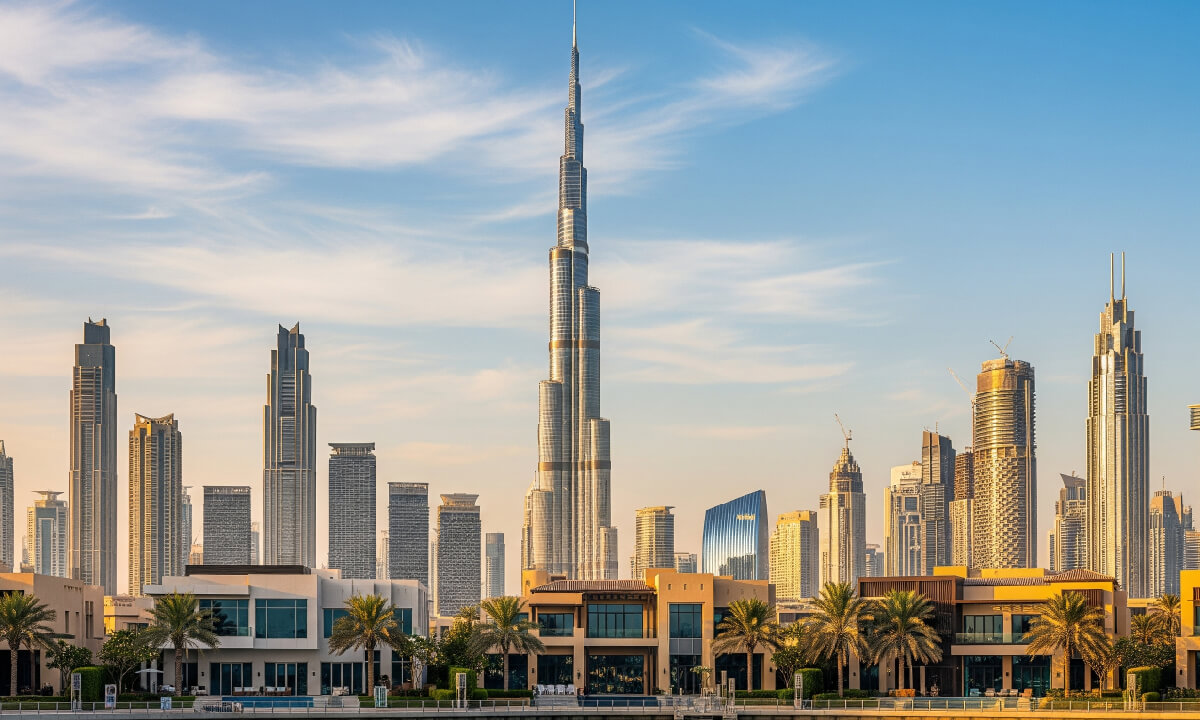
Dubai’s luxury residential property market continued to attract high-net-worth buyers during the third quarter of 2026, recording 86 residential transactions valued at $10 million or more despite uncertainty linked to the regional conflict involving Iran. However, the number of transactions declined compared with the same period last year, reflecting a more cautious market environment.
According to property consultancy Knight Frank, 13 of these transactions involved homes priced above $25 million. The remaining 73 sales fell within the $10 million to $25 million price range, highlighting continued demand for premium residential properties across the emirate.
The 73 transactions in the $10 million to $25 million category generated a combined value of approximately Dh3.93 billion ($1.07 billion). Meanwhile, the 13 properties sold for more than $25 million accounted for another Dh1.84 billion in sales.
Although the highest-priced properties represented around 15 per cent of transactions in the $10 million-plus segment, they contributed nearly 32 per cent of its total transaction value.
Regional Uncertainty Influences Luxury Property Demand
Knight Frank reported that Dubai’s luxury housing market remained active during the quarter, although sales volumes were lower than those recorded a year earlier. Faisal Durrani, partner and head of research for the Middle East and North Africa at Knight Frank, noted that the regional geopolitical situation had affected buyer confidence.
The consultancy also reported a decline in prices across Dubai’s 10 prime residential neighbourhoods. Prices fell by 5 per cent between the second and third quarters of 2026, marking the first quarterly decline in these areas since 2020. Transaction volumes in the prime property segment were approximately 29.4 per cent lower than a year earlier.
Despite these developments, Dubai continues to benefit from its international appeal, established infrastructure and business-friendly environment. The latest figures suggest that affluent buyers remain active, even as market participants respond to changing economic and geopolitical conditions.
UAE Continues to Attract Global Wealth
The UAE’s longer-term wealth outlook remains positive, supported by economic diversification, investment in infrastructure, business-friendly regulations and a favourable tax environment.
A report by Boston Consulting Group projected that net wealth in the UAE could reach $6 trillion by the end of 2030. The country is expected to add more than $2.3 trillion in net wealth over the five years to 2030, representing an annual growth rate of 10.6 per cent, according to the report cited by The National.
Dubai and Abu Dhabi are also attracting attention as destinations for the transfer of wealth between generations. A Savills report ranked Dubai eighth and Abu Dhabi tenth among preferred cities for next-generation wealth, against the backdrop of an estimated $84 trillion expected to change hands globally over the next two decades.
These trends underline the UAE’s continued importance as a destination for international investors, entrepreneurs and affluent families seeking long-term residential and investment opportunities.
Dubai’s $10 Million-Plus Property Market Maintains Momentum in 2026
Despite the quarterly slowdown, Dubai’s luxury residential market recorded stronger cumulative results during the first nine months of 2026.
Knight Frank reported 412 transactions worth $10 million or more between January and September, representing a 15 per cent increase compared with the corresponding period in 2025. The combined value of these sales reached approximately $6.67 billion.
However, the number of transactions completed in the third quarter was around 34 per cent lower than in the preceding quarter. This indicates that, while year-to-date activity remained positive, sales momentum moderated as the year progressed.
The figures illustrate the importance of considering both short-term market movements and longer-term demand when evaluating Dubai’s premium residential property sector.
Palm Jumeirah Leads Dubai’s Luxury Residential Sales
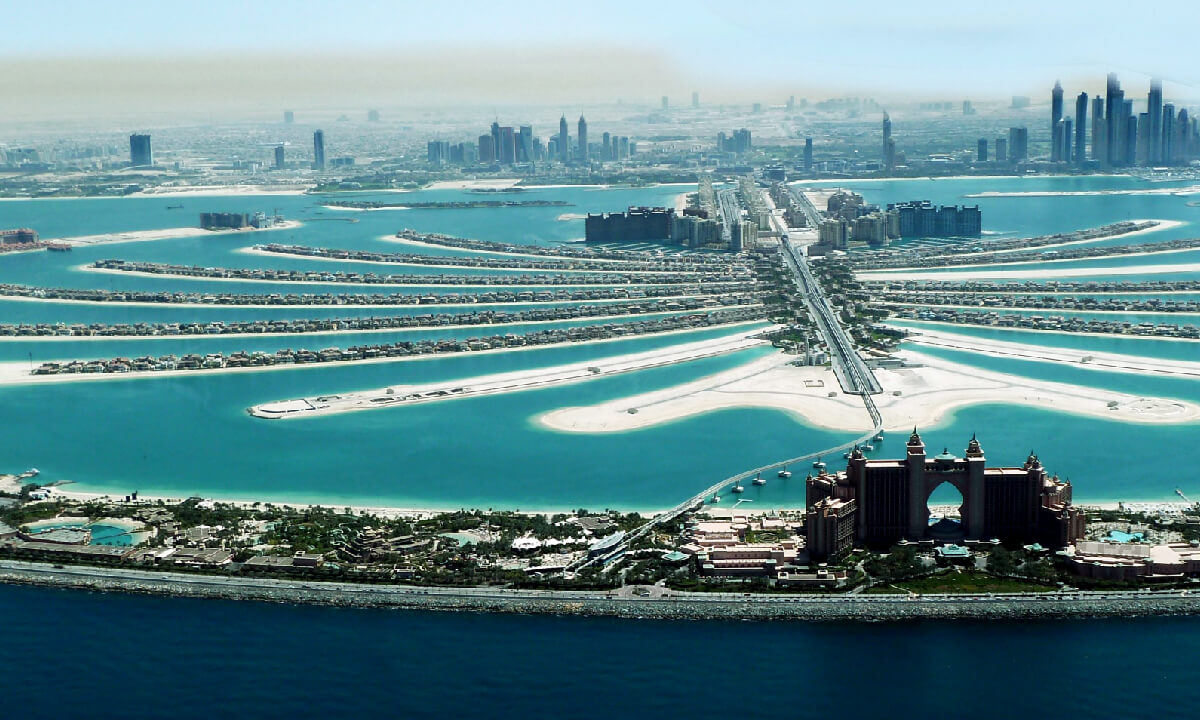
Palm Jumeirah emerged as Dubai’s leading neighbourhood for residential transactions valued at $10 million or more during the third quarter.
According to Knight Frank, the iconic island recorded 27 transactions with a combined value of Dh2.01 billion. These sales represented approximately 31 per cent of luxury transactions in the emirate during the period and 35 per cent of their total value.
Louis Harding, partner and head of UAE residential at Knight Frank, said that prices on Palm Jumeirah had declined by 9.1 per cent over the preceding 12 months, bringing average prices to approximately Dh4,083 per square foot. He also indicated that demand was largely driven by buyers seeking permanent residences or holiday homes rather than investors pursuing short-term resale gains.
Jumeirah ranked second in terms of transaction volume, followed by Emirates Hills, Dubai Hills Estate and Jumeirah Golf Estates. The performance of these established luxury communities highlights the continued importance of location, lifestyle amenities and property quality in attracting affluent buyers.
What the Latest Figures Mean for Dubai Property Investors?
Dubai’s luxury housing market is showing signs of adjustment, with quarterly sales volumes and prices coming under pressure in some prime neighbourhoods. Nevertheless, the increase in year-to-date transactions above $10 million suggests that demand has not disappeared.
For investors considering Dubai property, the latest figures reinforce the importance of assessing individual locations, entry prices, payment structures, development quality and long-term demand rather than relying solely on headline market growth.
Off-plan properties may also appeal to buyers seeking new residential developments, contemporary amenities and developer payment plans. However, investment decisions should account for construction timelines, delivery risks, service charges, resale conditions and the possibility of price fluctuations.
As Dubai’s property market responds to regional uncertainty, careful research and a clear investment strategy remain essential for identifying opportunities that align with individual financial goals.
Source and Attribution: This article is an original rewrite based on reporting published by The National new on 21 October 2026, drawing on market data and insights from Knight Frank.

















 Enquiry
 Call
 Whatsapp