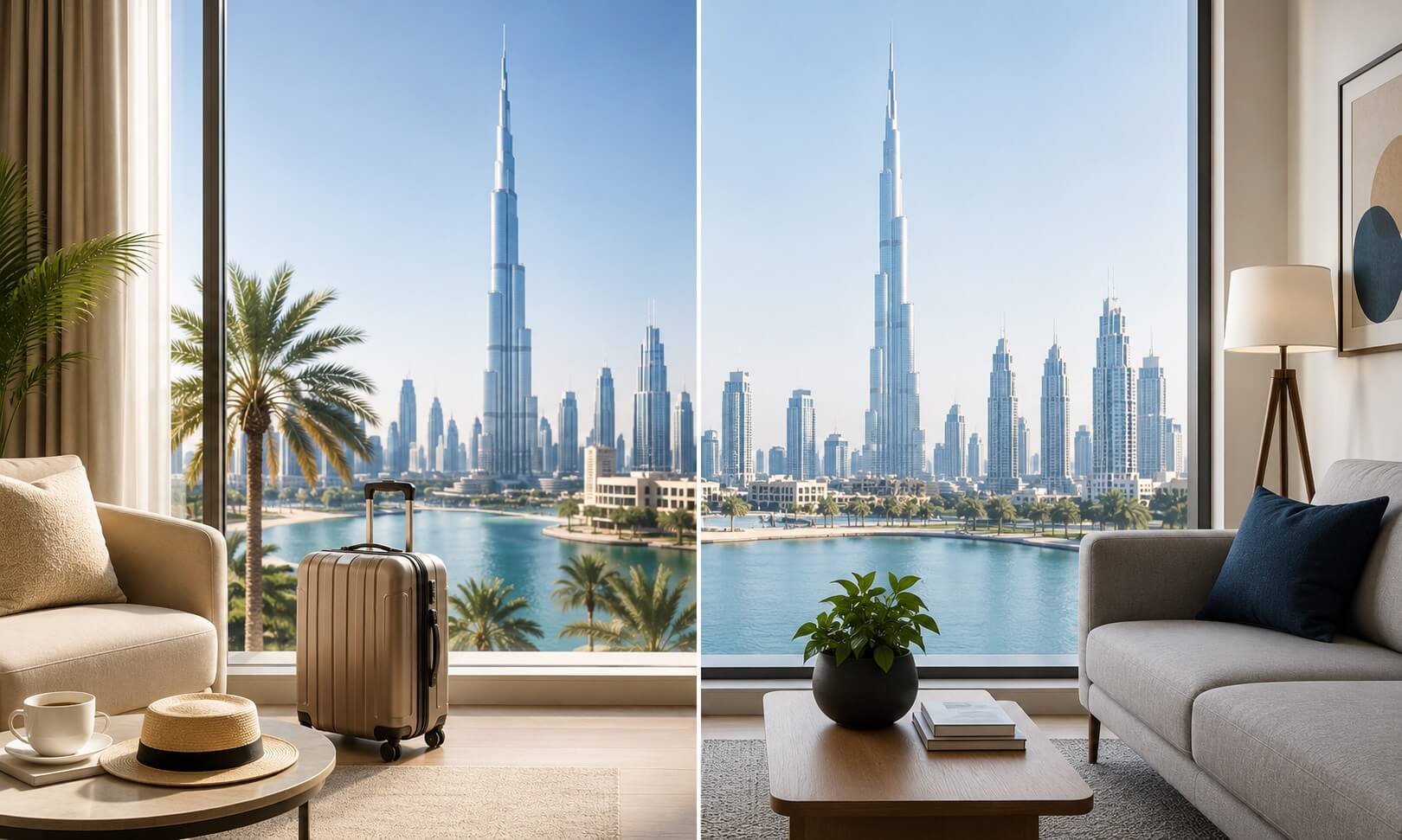
The Dubai real estate market continues to attract investors from around the world thanks to its strong infrastructure, tax-friendly environment, growing population, and expanding tourism sector. As demand for housing and accommodation rises, many investors looking to buy property in Dubai face an important decision: should they focus on short-term or long-term rentals in Dubai?
Both rental models offer unique advantages and challenges. While short-term leasing can generate higher nightly rates and flexibility, long-term rentals often provide predictable occupancy and stable income streams. Understanding the differences between these strategies is essential for anyone considering Dubai property investment in 2026.
This guide explores the costs, benefits, regulations, and potential returns of each approach to help investors determine the best rental strategy for Dubai property investors.
Understanding the Dubai Rental Market in 2026
The Dubai rental market has evolved significantly over the past few years. Population growth, business expansion, digital nomad trends, and increasing visitor numbers continue to support demand for residential properties.
Several factors are shaping Dubai rental trends 2026:
- Continued growth in tourism and business travel
- Increased demand for flexible accommodation options
- Expansion of transportation infrastructure
- Rising interest from international buyers
- Growing focus on smart property investment Dubai opportunities
These trends have created opportunities for investors seeking rental income Dubai through both short-term and long-term leasing models.
What Are Short-Term Rentals in Dubai?
Short-term rentals refer to properties leased for a few days, weeks, or months rather than a full-year tenancy. These properties are often used by tourists, business travelers, remote workers, and visitors seeking furnished accommodation.
The Dubai holiday homes market has expanded rapidly due to increasing visitor numbers and demand for premium accommodation experiences.
Common short-term rental properties include:
- Studio apartments
- One-bedroom apartments
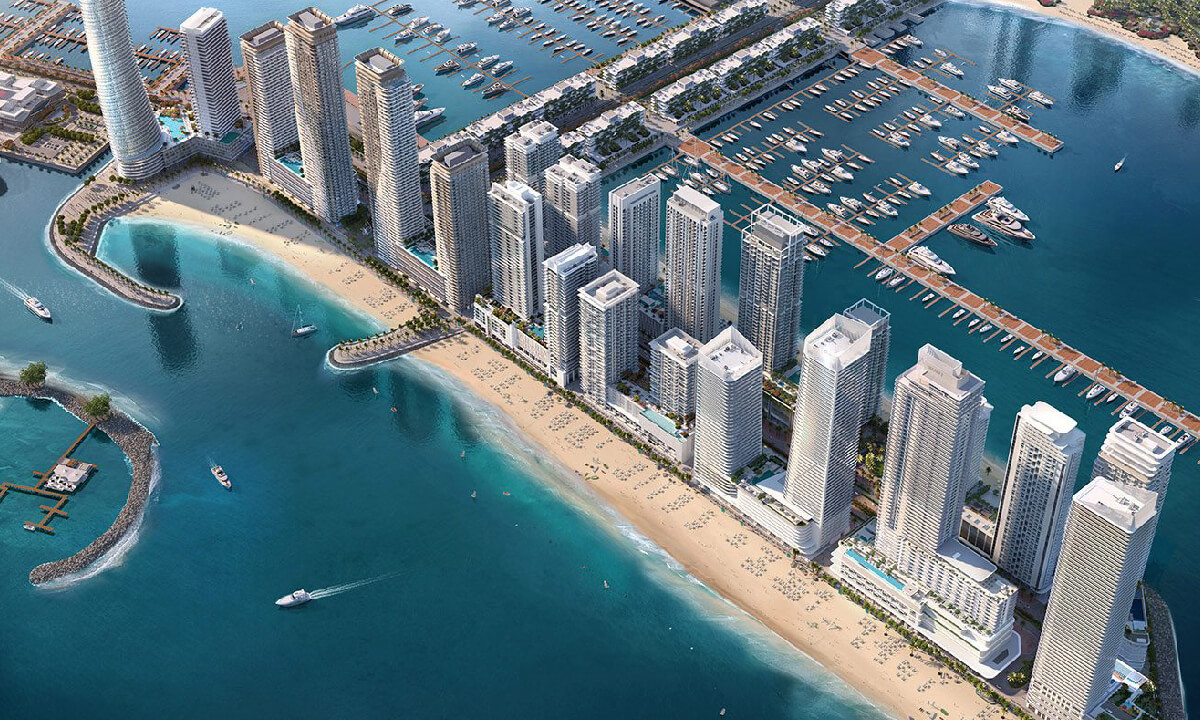
- Luxury waterfront residences
- Holiday homes
- Serviced apartments
Many investors are attracted to short-term rental ROI in Dubai 2026 because nightly rates can exceed the equivalent monthly rental income generated by traditional leases.
Benefits of Short-Term Rentals Dubai
Higher Revenue Potential
One of the primary advantages of short-term rentals Dubai is the opportunity to generate higher rental yields during periods of strong occupancy.
Properties located near major attractions, business districts, and waterfront communities may command premium nightly rates.
Flexibility for Owners
Property owners can reserve the property for personal use while still generating income during vacant periods.
Growing Tourism Market
Dubai remains one of the world’s most visited cities, supporting continued demand for short-term accommodation.
Opportunity to Adjust Pricing
Owners can modify rental rates based on seasonality, market demand, events, and occupancy levels.
Challenges of Short-Term Rentals Dubai
Cost of Managing Short-Term Rentals in Dubai
Short-term rentals require active management and regular maintenance.
Typical expenses include:
- Furnishing costs
- Cleaning services
- Utility bills
- Marketing expenses
- Guest management
- Maintenance and repairs
These costs can reduce overall profitability if occupancy levels fluctuate.
Seasonal Demand Variations
Tourism patterns can affect occupancy rates throughout the year. Investors should account for potential vacancies during quieter periods.
Compliance Requirements
Investors must follow short-term rental regulations in Dubai and ensure their properties meet all licensing and operational requirements.
What are Long-Term Rentals Dubai?
Long-term rentals typically involve leasing a property to tenants for one year or longer under a formal tenancy agreement.
This strategy remains popular among Dubai property investors seeking consistent cash flow and lower management involvement.
Typical tenants include:
- Families
- Professionals
- Business executives
- Long-term expatriates
- Students
Long-term rental income in Dubai is often viewed as a stable and predictable investment approach.
Benefits of Long-Term Rentals Dubai
Consistent Rental Income
Long-term leases provide fixed monthly revenue, making financial planning easier.
Lower Management Requirements
Unlike holiday homes, long-term rental properties require less frequent tenant turnover and reduced operational oversight.
Reduced Operating Costs
Owners generally avoid recurring expenses such as cleaning services, guest communications, and frequent maintenance between stays.
Stable Occupancy
Properties in established residential communities often maintain strong occupancy levels throughout the year.
Challenges of Long-Term Rentals Dubai
Limited Pricing Flexibility
Rental rates are generally fixed for the duration of the tenancy agreement.
Lower Revenue Potential
Although stable, annual leasing may generate lower overall returns compared to successful short-term rental operations in prime locations.
Less Personal Use
Owners typically cannot access the property during the lease period without following applicable regulations.
Short-Term Rental ROI in Dubai 2026 vs Long-Term Rental Income in Dubai
When comparing long-term vs short-term leasing for Dubai apartments, the potential return depends on several factors:
- Property location
- Occupancy rates
- Property type
- Management costs
- Market conditions
- Seasonal demand
Short-term rentals often produce higher gross revenue, particularly in tourist-focused communities. However, they also involve higher operating costs and more active management.
Long-term rentals generally deliver predictable cash flow and lower expenses, making them attractive for investors seeking stability.
The best approach depends on investment goals, risk tolerance, and management preferences.
Conclusion
Choosing between short-term and long-term rentals in Dubai ultimately depends on your investment objectives, risk tolerance, and desired level of involvement. Short-term rentals can offer higher earning potential, particularly in popular tourist and business districts, making them attractive for investors seeking strong cash flow and flexibility. However, they typically require more active management and higher operating costs.
On the other hand, long-term rentals provide stable occupancy, predictable rental income Dubai, and reduced day-to-day management responsibilities. This strategy often appeals to investors looking for consistent returns and a more hands-off approach to Dubai property investment.
As the Dubai real estate market continues to grow and evolve in 2026, both rental models present valuable opportunities. The key is selecting a property in the right location, understanding current Dubai rental trends 2026, and aligning your strategy with market demand.
Whether you are looking to generate passive income from Dubai real estate, explore high ROI properties Dubai, or expand your real estate investment Dubai portfolio, careful planning can help maximize your returns and long-term success.
Looking to Buy Property in Dubai?
At BrightonToBurj, we help investors navigate the Dubai property market and identify opportunities that align with their financial goals. Whether you’re considering a holiday home, an investment apartment, or a long-term rental property, our team can provide guidance on the latest Dubai real estate opportunities 2026 and help you make informed investment decisions.
Contact BrightonToBurj today to explore the best investment options and take the next step toward building a successful property portfolio in Dubai.







































 Enquiry
 Call
Call Whatsapp