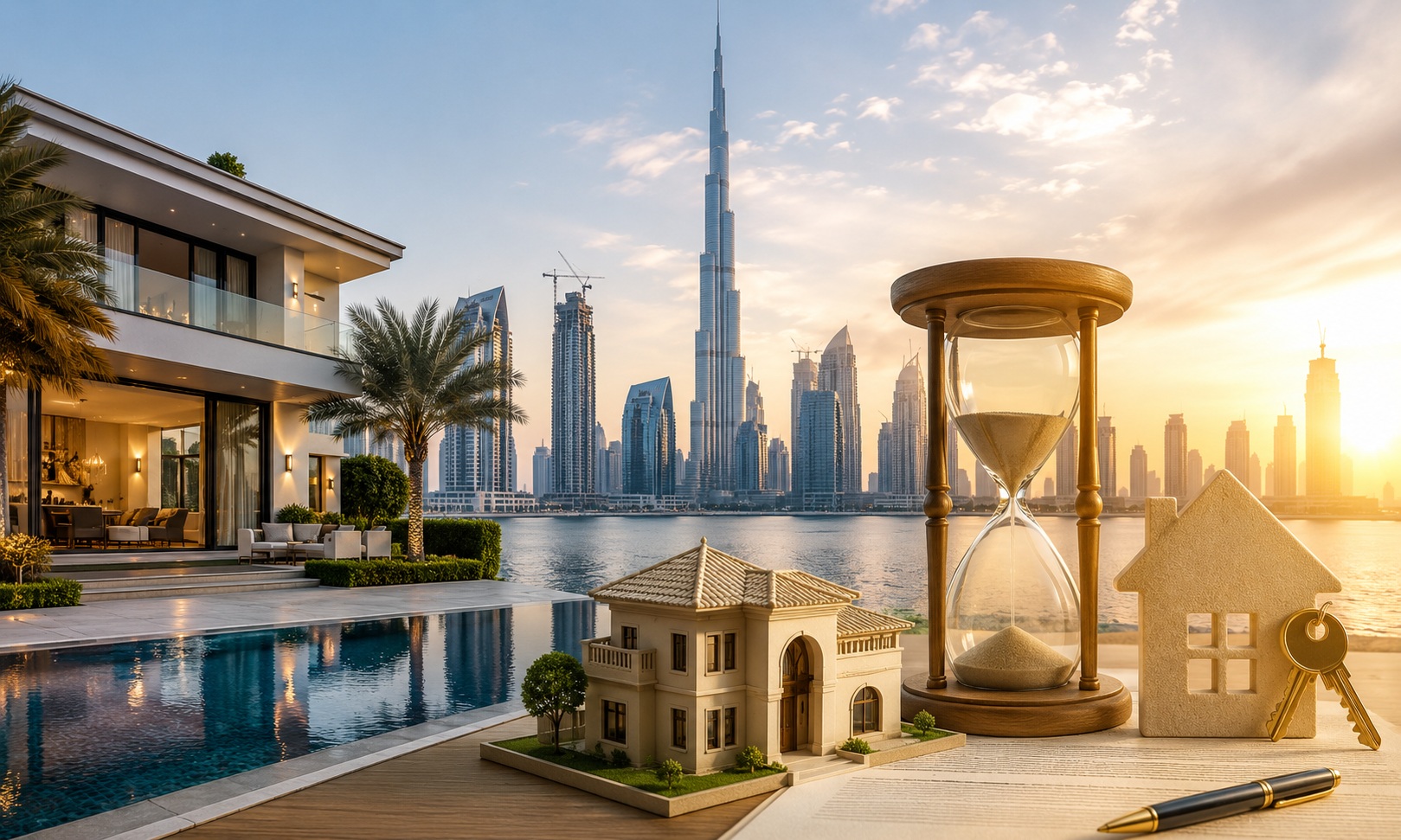
Dubai has become one of the world’s most attractive destinations for property investors, thanks to its modern infrastructure, investor-friendly regulations, and growing economy. As more local and international buyers enter the Dubai real estate market, questions about long-term ownership rights continue to arise. One of the most common questions is: what happens to your property in Dubai after 99 years?
The answer depends on the type of ownership involved. Understanding the difference between Freehold and Leasehold Property Dubai is essential before making a property investment in Dubai. This guide explains how ownership works, what happens when a lease expires, and what investors should know before purchasing property.
Understanding Dubai Property Ownership
When discussing Dubai property ownership, it is important to understand that properties generally fall into two main categories: freehold and leasehold.
The ownership structure determines how long you can own a property and what rights you have over the asset.
For anyone looking to buy property in Dubai, understanding these ownership models is a key part of making an informed investment decision.
Freehold vs Leasehold Property in Dubai
One of the most important topics for investors is understanding the difference between freehold vs leasehold property in Dubai.
Freehold Property
A freehold property grants the buyer complete ownership of both the property and the land on which it is built. Owners can sell, lease, transfer, or pass the property to their heirs according to applicable laws.
Many international investors choose Freehold Property Dubai options because they provide long-term ownership rights without a predetermined expiration period.
Leasehold Property
A leasehold property grants the right to use and occupy a property for a specific period, often ranging from 30 to 99 years.
The land itself remains owned by the freeholder, while the leaseholder has rights to use the property during the lease period.
This distinction is critical when evaluating Dubai real estate investment opportunities.
99 Year Lease Property Dubai Explained
The term 99 year lease property Dubai explained refers to a lease agreement that allows an individual or company to occupy and use a property for up to 99 years.
During this period, the leaseholder generally enjoys many of the practical benefits of ownership, including:
- Living in the property
- Renting the property to tenants
- Selling the remaining lease term
- Generating rental income
- Benefiting from potential property appreciation
However, the ownership rights are limited to the lease duration specified in the agreement.
What Happens to Dubai Property After 99 Years?
This is one of the most frequently searched questions among investors.
So, what happens to Dubai property after 99 years?
When a leasehold agreement reaches its expiration date, the rights granted under that lease typically come to an end unless renewal arrangements are agreed upon.
The outcome depends on several factors, including:
- Terms of the original lease agreement
- Applicable regulations
- Agreements between the leaseholder and freeholder
- Renewal provisions included in the contract
In many cases, discussions regarding extension or renewal may take place before the lease expires.
Investors should always review lease documentation carefully to understand the specific terms applicable to their property.
What Happens When a Leasehold Property Expires in Dubai?
Understanding what happens when a leasehold property expires in Dubai is important for long-term planning.
When the lease term concludes, the leaseholder’s rights may cease unless an extension or renewal has been arranged.
Potential outcomes can include:
Lease Renewal
In some situations, the parties may negotiate an extension of the lease period.
New Lease Agreement
A completely new agreement may be established under updated terms and conditions.
Reversion of Rights
Depending on the contract, ownership rights associated with the lease may revert to the freeholder at the end of the lease term.
Since every agreement is unique, investors should seek professional advice before purchasing leasehold assets.
Dubai Real Estate Ownership After Lease Expiry
The topic of Dubai real estate ownership after lease expiry often creates confusion among buyers.
Many investors mistakenly assume that leasehold ownership functions exactly like freehold ownership. However, leasehold ownership is time-limited.
Once the lease period ends, the continued use of the property depends on the legal arrangements in place at that time.
This is why understanding the lease duration and renewal possibilities is an important part of due diligence.
Rights of Leasehold Property Owners in Dubai
Many investors ask about the rights of leasehold property owners in Dubai.
Although leaseholders do not own the land itself, they often enjoy substantial rights during the lease period, including:
- Occupying the property
- Leasing the property to tenants
- Selling the remaining lease interest
- Benefiting from rental returns
- Making approved modifications subject to regulations
The exact rights vary based on the lease agreement and applicable Dubai property laws.
Carefully reviewing the contract before purchasing can help avoid misunderstandings later.
Can Foreigners Own Property in Dubai Forever?
Another common question is: can foreigners own property in Dubai forever?
The answer largely depends on whether the property is freehold or leasehold.
Foreign buyers purchasing freehold properties in designated areas can generally enjoy ownership rights without a fixed expiration period, subject to applicable laws and regulations.
This is one reason why freehold developments remain highly attractive to international investors seeking long-term exposure to the Dubai property market.
Is Freehold Property Ownership Permanent in Dubai?
Many investors wonder: is freehold property ownership permanent in Dubai?
Freehold ownership offers significantly stronger ownership rights compared to leasehold arrangements.
Owners generally retain ownership of both the property and the land, with the ability to transfer the asset to future generations, sell it, or lease it as desired.
As a result, freehold properties are often preferred by investors focused on long-term wealth preservation and estate planning.
Dubai Property Ownership Rules for Expats
The Dubai property ownership rules for expats have evolved considerably over the years, making the market more accessible to international buyers.
Today, expatriates can purchase properties in designated freehold zones, allowing them to participate in the growth of the Dubai real estate sector.
Before making a purchase, investors should consider:
- Ownership structure
- Service charges
- Lease terms
- Market conditions
- Future exit strategies
- Long-term investment objectives
Understanding these factors can help buyers make informed decisions.
Dubai Property Myths Investors Should Know
There are several Dubai property myths that continue to circulate online.
Myth 1: Every Property Expires After 99 Years
This is incorrect. Freehold properties do not operate under a 99-year lease structure.
Myth 2: Leasehold Properties Have No Investment Value
Leasehold properties can still generate rental income and provide investment opportunities depending on location and market demand.
Myth 3: Foreign Investors Cannot Own Property
Foreign investors can purchase eligible properties in designated ownership areas.
Understanding these hidden facts about Dubai property ownership helps investors separate fact from fiction.
What Investors Don’t Know About Dubai Real Estate
One of the lesser-known aspects of Dubai property ownership explained is that ownership structures vary significantly from one project to another.
Many Dubai property investment mistakes occur when buyers focus solely on purchase price while overlooking ownership terms.
Successful investors evaluate:
- Ownership type
- Lease duration
- Rental potential
- Capital appreciation prospects
- Community development plans
Long-term market outlook
These factors play a major role in investment performance.
Future of Dubai Property Investment
The future of Dubai property investment continues to attract attention from global investors.
With ongoing infrastructure development, population growth, business expansion, and evolving regulations, the emirate remains a significant destination for real estate in Dubai.
As part of the broader Dubai real estate trends 2026, investors are increasingly focusing on long-term ownership structures and asset security before committing capital.
This shift highlights the growing importance of understanding ownership rights before purchasing property.
Best Freehold Areas to Buy Property in Dubai
Investors seeking long-term ownership often research the best freehold areas to buy property in Dubai.
While the ideal location depends on investment goals, buyers typically evaluate factors such as:
- Rental demand
- Connectivity
- Infrastructure
- Community amenities
- Future development plans
- Capital appreciation potential
Conducting thorough research can help investors identify opportunities that align with their objectives.
Conclusion
Understanding the difference between freehold and leasehold ownership is essential for anyone considering property investment in Dubai. While freehold properties generally provide long-term ownership rights, leasehold properties operate under fixed contractual periods that may require renewal or renegotiation upon expiry.
For investors asking what happens to Dubai property after 99 years, the answer depends largely on the ownership structure and the terms of the lease agreement. Conducting proper due diligence and understanding applicable Dubai property laws can help investors make informed decisions and avoid unnecessary risks.
If you are planning to buy property in Dubai and want guidance on selecting the right ownership structure, BrightonToBurj can help you explore opportunities that align with your long-term investment objectives. Our team focuses on helping investors make informed real estate decisions designed to support portfolio growth, wealth creation, and long-term financial goals in Dubai’s evolving property market.
Book Your Consultation Call Today!


















 Enquiry
 Call
Call Whatsapp