
Choosing between Dubai and Singapore for property investment depends on your budget, investment goals, expected rental income and long-term financial plans. Both cities attract international investors, but their real estate markets operate differently in terms of property prices, taxes, ownership rules and potential returns.
In this Dubai vs Singapore real estate comparison, we explore the main differences to help investors understand which market may suit their needs in 2026. Whether you are considering Dubai off-plan properties, an established Singapore residential property or a long-term rental investment, understanding these factors can help you make a more informed decision.
1. Dubai vs Singapore Property Market: An Overview
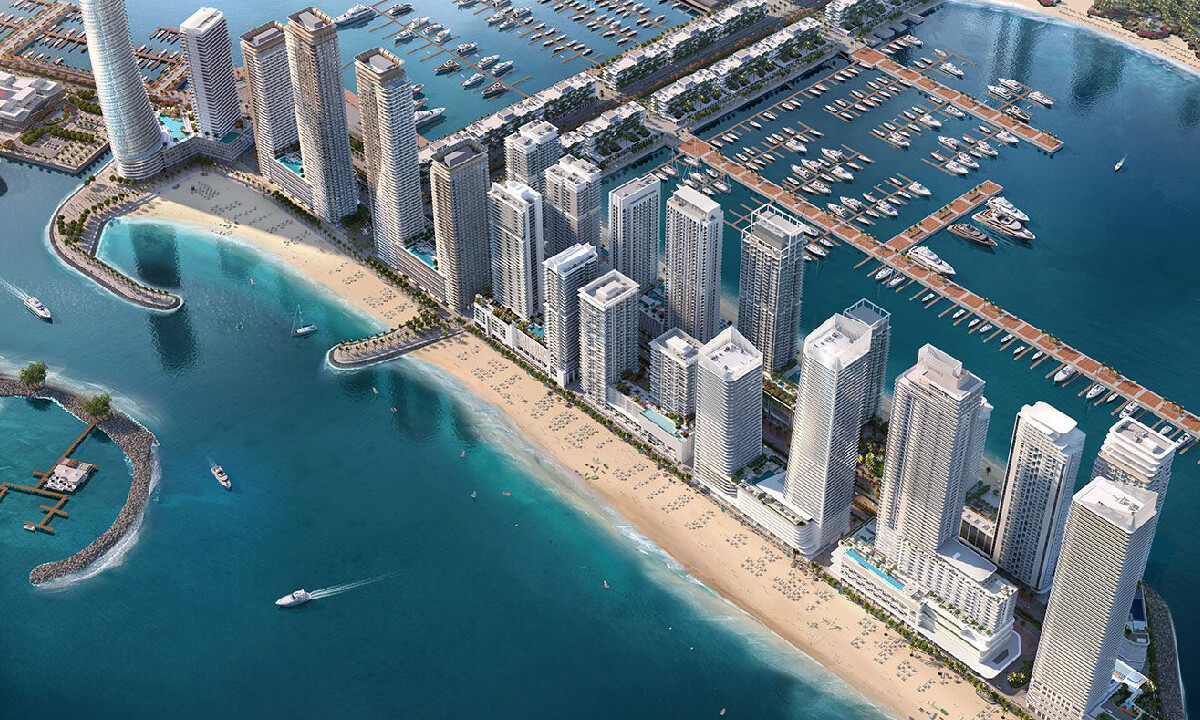
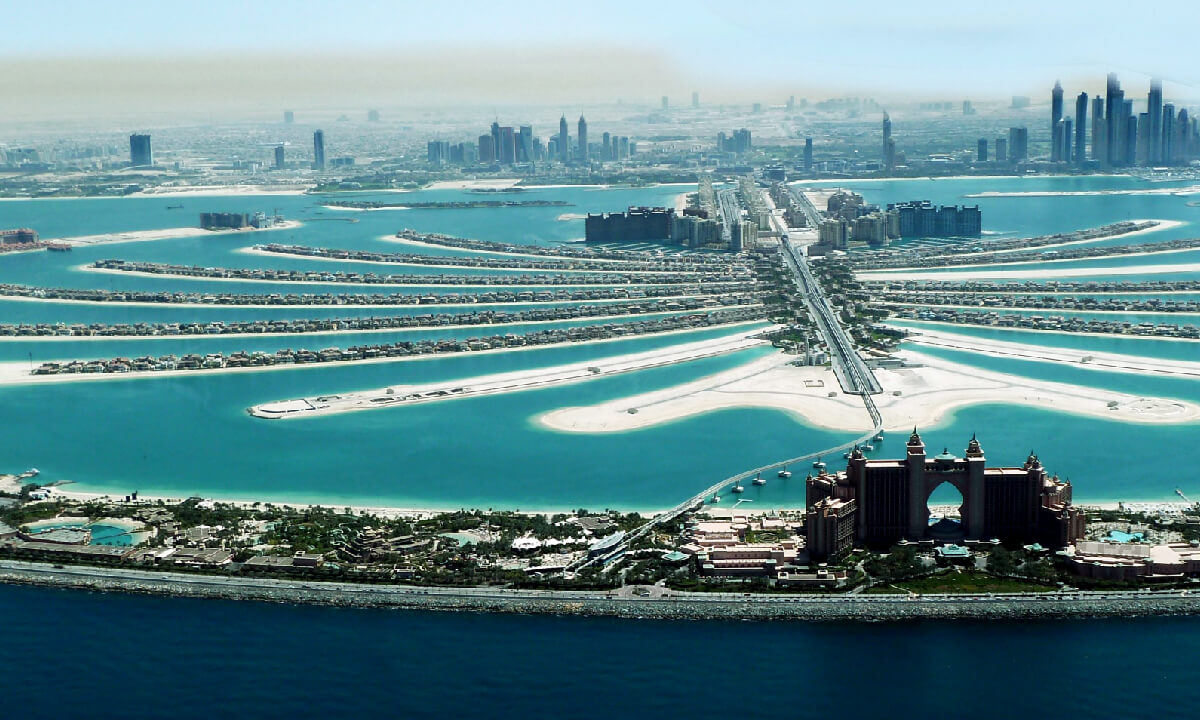
The Dubai real estate market offers a broad selection of apartments, villas, townhouses and off-plan developments across different price ranges. International buyers can purchase eligible freehold properties in designated areas, making Dubai an accessible option for many overseas investors.
Singapore, meanwhile, has a mature property market supported by established infrastructure, strong connectivity and a highly regulated housing sector. However, Singapore property investment can involve substantial upfront costs, particularly for foreign buyers purchasing residential property.
The latest available 2026 market data illustrates the differences. Dubai recorded AED 226.5 billion in residential property sales during the first half of 2026, while Singapore’s private residential property price index increased by 1.4% during the same period. These figures measure different market indicators, but they demonstrate the importance of examining each market individually rather than relying on headlines alone. Source: Engel & Völkers and Singapore URA.
2. Dubai Property Prices vs Singapore Property Prices
Property prices are a major consideration when deciding where to invest. Dubai generally offers a wider range of entry points for international buyers, with apartments available in emerging communities as well as premium waterfront and central locations.
Investors can explore areas such as Dubai South, Dubailand and Dubai Silicon Oasis, depending on their budget and preferred property type. This variety allows buyers to compare smaller apartments, family homes and premium developments without being restricted to one price segment.
Singapore property prices are generally high, particularly in prime districts and popular central locations. Buyers must also account for stamp duties and other acquisition costs when calculating the total investment required.
For this reason, a Dubai vs Singapore property prices comparison should consider more than the advertised purchase price. Investors should compare the usable space, expected rental income, ownership expenses and resale demand of similar properties.
For buyers seeking affordable property investment, Dubai may offer more flexibility. However, affordability varies considerably by neighbourhood, property size, construction quality and development stage.
3. Dubai Rental Yields vs Singapore Rental Yields
Rental income is another important factor in the Dubai vs Singapore investment decision.
Dubai attracts professionals, entrepreneurs, expatriate families and international businesses. This creates rental demand across different property segments, although performance varies between communities. A residential market report from Engel & Völkers placed Dubai’s average gross rental yield at approximately 6.6% during June 2026. Actual returns depend on the property, location and purchase price. Source.
Singapore also benefits from employment opportunities, international business activity and demand for housing. However, high acquisition costs can reduce the overall return relative to the capital invested.
A proper Dubai vs Singapore rental yield comparison should distinguish between gross and net rental yields. Gross yield measures annual rent against the purchase price, while net yield accounts for expenses such as service charges, maintenance, vacancies, management fees and other ownership costs.
Dubai rental yields may appeal to investors prioritising recurring income, but higher gross yields do not guarantee better overall returns. Investors should calculate realistic net income for each property before making a decision.
4. Property Taxes and Costs for Foreign Investors
Tax treatment is one of the most important differences between these markets.
Dubai is attractive to many investors because the UAE does not generally impose personal income tax on individuals. Nevertheless, property buyers must account for applicable transaction fees, registration charges, service charges and other costs. Rental income and investment activities should also be assessed according to the investor’s individual circumstances, including tax obligations in their country of residence.
Singapore has a more extensive property stamp-duty framework. Foreign individuals purchasing residential property are generally subject to Additional Buyer’s Stamp Duty (ABSD) of 60%, in addition to the applicable Buyer’s Stamp Duty, subject to eligibility for exemptions or relief under relevant rules. These charges can significantly increase the initial cost of an investment. Source: Singapore Inland Revenue Authority.
Consequently, Dubai vs Singapore property taxes for foreign investors is a particularly important comparison. Buyers should assess their citizenship, residency, ownership structure and applicable tax rules before purchasing.
5. Dubai Off-Plan Properties vs Singapore Property Investment
Off-plan property is a significant part of Dubai’s residential market. These properties are purchased before construction is completed, often with staged payment plans linked to the development schedule.
Dubai off-plan properties can appeal to investors who want access to new developments, modern facilities and potentially lower initial payment requirements than some completed properties. However, payment plans differ between developers, and the final investment cost should always be evaluated carefully.
Before purchasing, investors should research the developer’s track record, project registration, construction progress, handover terms and resale restrictions. Delays, changes in market conditions and additional supply can affect the property’s eventual value and rental prospects.
Singapore also offers new residential developments, but buyers must understand the relevant ownership rules, purchase restrictions and stamp duties. The suitability of a new property depends on the buyer’s eligibility, budget and investment objectives.
In a Dubai vs Singapore off-plan property investment comparison, Dubai may provide more flexibility for overseas buyers exploring new residential projects. However, off-plan purchases carry construction and market risks that do not apply in the same way to completed properties.
6. Capital Appreciation and Long-Term Investment Returns
Capital appreciation refers to an increase in property value over time. Both Dubai and Singapore can offer opportunities for long-term growth, but neither market guarantees appreciation.
Dubai’s growth prospects are influenced by population changes, tourism, infrastructure development, business activity and demand for housing. The Dubai property market outlook also depends on new supply, affordability and economic conditions. Investors should avoid assuming that the strong performance of previous years will automatically continue.
Singapore’s property market benefits from established infrastructure, limited land availability and a regulated housing environment. However, property prices can be affected by interest rates, government cooling measures, affordability and changes in buyer demand. Singapore’s private residential price index rose by 0.5% in the second quarter of 2026, according to the Urban Redevelopment Authority. Source.
When comparing Dubai real estate returns with Singapore real estate returns, investors should consider both rental income and potential resale value. Currency movements, financing costs, transaction fees and the investment holding period can also influence the final result.
7. Dubai vs Singapore Property Investment Risks
Every property market involves risks, and investors should understand them before committing their capital.
In Dubai, key considerations include changing property prices, competition from new developments, construction delays, vacancy periods and variations in rental demand between communities. Investors buying off-plan should also assess the developer’s financial position and the project’s contractual protections.
In Singapore, high purchase costs, foreign-buyer stamp duties, regulatory changes and financing expenses can affect investment performance. The relatively high cost of entry may also limit flexibility for investors with smaller budgets.
The main Dubai vs Singapore property investment risks therefore differ according to the investor’s circumstances. Careful due diligence, realistic financial projections and a suitable investment horizon are essential in both markets.
8. Which Is Better for Property Investment: Dubai or Singapore?
So, which is better for property investment, Dubai or Singapore? The answer depends on what you want your property to achieve.
Dubai may be suitable for investors seeking potentially stronger rental yields, a broad choice of residential developments, access to eligible freehold areas and opportunities in the off-plan market. Its range of neighbourhoods can also make it worth considering for buyers looking for different entry budgets.
Singapore may suit investors who prioritise an established and regulated property market and have sufficient capital to manage its acquisition costs. However, foreign buyers need to pay particular attention to ABSD and property ownership eligibility.
For investors comparing the benefits of investing in Dubai property over Singapore, the most important factors are the total purchase cost, achievable net rental income, potential appreciation and the risks involved.
Ultimately, the best real estate investment destination is not necessarily the city with the highest advertised returns. It is the market and property that best match your budget, financial objectives and risk tolerance.
Explore Dubai Property Investment Opportunities
If you are considering property investment in Dubai, start by comparing locations, developers, payment plans and realistic rental projections. A carefully selected property can be a valuable part of a diversified investment strategy, but every opportunity should be assessed on its own merits.
Explore available off-plan developments, review the associated costs and consider your investment horizon before making a decision. Comparing the numbers carefully can help you determine whether Dubai or Singapore is the better fit for your property investment goals.






























 Enquiry
 Call
 Whatsapp