
Dubai’s residential rental market is showing signs of moderation as an increasing number of completed homes enter the market, giving tenants more flexibility and opportunities to negotiate favourable rental terms. According to the latest Q3 2026 research from real estate consultancy Cavendish Maxwell, more tenants are securing lower rents when renewing their contracts, while landlords are facing greater competition to retain occupants.
This shift reflects a gradual change in Dubai real estate market dynamics following several years of strong rental growth. Rising residential supply, combined with continued development activity, is creating greater housing choices for tenants across the emirate.
The changing market conditions are also attracting attention from property investors exploring Dubai Property Investment opportunities, particularly in emerging residential communities where new developments and infrastructure expansion continue to shape long-term demand.
More Tenants Secure Lower Rental Rates
Cavendish Maxwell’s latest research highlights a notable increase in rental transactions involving reduced rents compared with previous contracts.
During the third quarter of 2026, approximately 21.4% of registered rental transactions recorded a reduction in rent. This represents a significant increase from just 4.8% in Q1 2026.
Meanwhile, 38.7% of tenants renewed their contracts at the same rental rate, while the proportion of rental agreements involving an increase declined to 40%, compared with 59.4% during the first quarter.
These figures indicate that landlords are experiencing greater pricing competition, allowing tenants to negotiate more favourable rental terms or explore alternative properties that better match their budgets.
For prospective tenants, the changing conditions could create opportunities to secure suitable accommodation at more competitive rates. For investors, the figures highlight the importance of evaluating rental demand, property location and future residential supply before entering the Dubai Property market.
Dubai Rental Growth Slows as Housing Supply Expands
Average residential rents in Dubai stood at approximately AED 77.3 per square foot annually in September 2026, representing a 5.5% increase compared with the same period last year.
However, rental growth has slowed considerably from the 11.5% annual increase recorded in September 2025, indicating a more balanced market environment.
Let’s Find Your Dubai Property
Although rents experienced a decline during the second quarter, they recovered slightly in Q3, returning to levels recorded in March 2026.
The market also continued to record substantial leasing activity. More than 172,000 rental contracts were registered during Q3 2026, including approximately 94,300 renewals and 77,700 new agreements.
Renewal contracts declined by 10.6% year-on-year, while new rental agreements increased by 18.2%, highlighting growing tenant movement and the availability of alternative housing options.
For buyers considering Off Plan Property Dubai, these market developments underline the importance of assessing future rental demand rather than relying exclusively on historical rental growth. Community facilities, connectivity, developer reputation and the expected supply of competing properties can all influence the potential performance of an investment.
Record Residential Handover Activity in Dubai
The increasing availability of residential properties remains one of the primary factors influencing rental market conditions.
Dubai recorded approximately 38,000 residential unit completions between January and September 2026, marking a 41.4% increase compared with the corresponding period in 2025. The number of completed properties during these nine months also exceeded the full-year delivery totals recorded in both 2023 and 2024.
Approximately 12,400 residential units were handed over during Q3 alone, further expanding the city’s available housing stock.
An additional 24,400 units are scheduled for completion during the remainder of 2026. However, based on historical completion trends, actual handovers could range between 7,300 and 12,200 units.
The development pipeline remains substantial, with approximately 136,100 residential units scheduled for 2027 and another 155,700 expected in 2028. Together, these projected deliveries represent nearly 291,800 homes over the next two years.
According to Ronan Arthur, MRICS, Director and Head of Residential Valuation at Cavendish Maxwell, reduced project launches reflect a more cautious approach among developers amid regional uncertainty. He also noted that the absorption of new residential inventory will depend on population expansion, household formation, employment growth, and investment demand.
For buyers researching New Projects in Dubai, these projected handovers make it increasingly important to compare development locations, upcoming infrastructure, construction timelines and competing residential supply.
What Does the Changing Rental Market Mean for Off-Plan Property Investors?
The moderation in rental growth does not necessarily indicate a decline in the long-term appeal of Dubai’s residential property market. Instead, it highlights the importance of making informed investment decisions based on location, affordability, future supply and end-user demand.
The growing number of residential completions could create additional competition between landlords, particularly in communities where several developments are scheduled for handover around similar periods.
Investors exploring Off Plan Properties Dubai should therefore consider more than just the initial purchase price. Factors such as payment plans, expected completion dates, developer track records, community infrastructure and potential rental demand can help determine whether a particular development aligns with their investment objectives.
There is also continued interest in Affordable Off Plan Properties in Dubai, particularly among first-time buyers and investors looking for opportunities with relatively accessible entry prices and flexible developer payment plans.
Carefully comparing Dubai Off Plan Projects across different communities can help buyers identify developments that offer suitable layouts, amenities, connectivity and potential long-term value.
Dubai Rental Yields Remain Attractive for Investors
Despite moderating rental growth, Dubai continues to offer competitive rental yields for residential property investors.
During Q3 2026, average gross rental yields stood at approximately:
- Apartments: 6.6%
- Villas and townhouses: 4.9%
Apartment yields experienced a slight decline compared with the previous year but continue to remain attractive relative to several major international residential markets.
Let’s Connect on WhatsApp
Among apartment communities, Dubai Investments Park recorded the highest gross rental yield at 10%, followed by International City at 9% and Dubai Production City at 8%.
For villas and townhouses, Dubai Industrial City recorded a gross rental yield of 6.5%, followed by Jumeirah Golf Estates at 5.8% and Damac Hills 2 at 5.7%.
These figures highlight the importance of location, property type, acquisition price, and rental demand when evaluating real estate investment opportunities in Dubai.
Residential Sales Activity Shows Signs of Cooling
Dubai’s residential sales market also experienced a moderation in activity during Q3 2026.
Property sales reached approximately AED 72.6 billion across 33,900 transactions during the quarter, representing a decline of 13.2% in transaction value and 2% in transaction volume compared with Q2.
On a year-on-year basis, sales value declined by 47.6%, while transaction volumes fell by 38.6%. This brought quarterly residential transactions to their lowest level since Q1 2024.
Average residential sales prices stood at approximately AED 1,644 per square foot in September, down 2.2% compared with September 2025. This marked the first annual decline in average prices since the post-pandemic recovery, although prices recorded a modest 0.3% increase quarter-on-quarter.
Off-plan properties continued to account for the majority of residential transactions, representing approximately 72.2% of total sales. Around 24,500 off-plan transactions were recorded, with a combined value of AED 47.1 billion.
However, off-plan transaction volumes declined by 41.9% year-on-year. Meanwhile, ready-property sales increased by 19.7% compared with the previous quarter, reaching approximately 9,400 transactions.
Areas Recording Strong Off-Plan Property Demand
Despite the moderation in overall sales activity, several Dubai communities continued to attract considerable buyer interest, particularly within the off-plan residential segment.
Dubai South emerged as the leading location for off-plan apartment sales, recording approximately 4,776 transactions during Q3 2026. Downtown Jebel Ali followed with 1,865 transactions.
Other popular communities included:
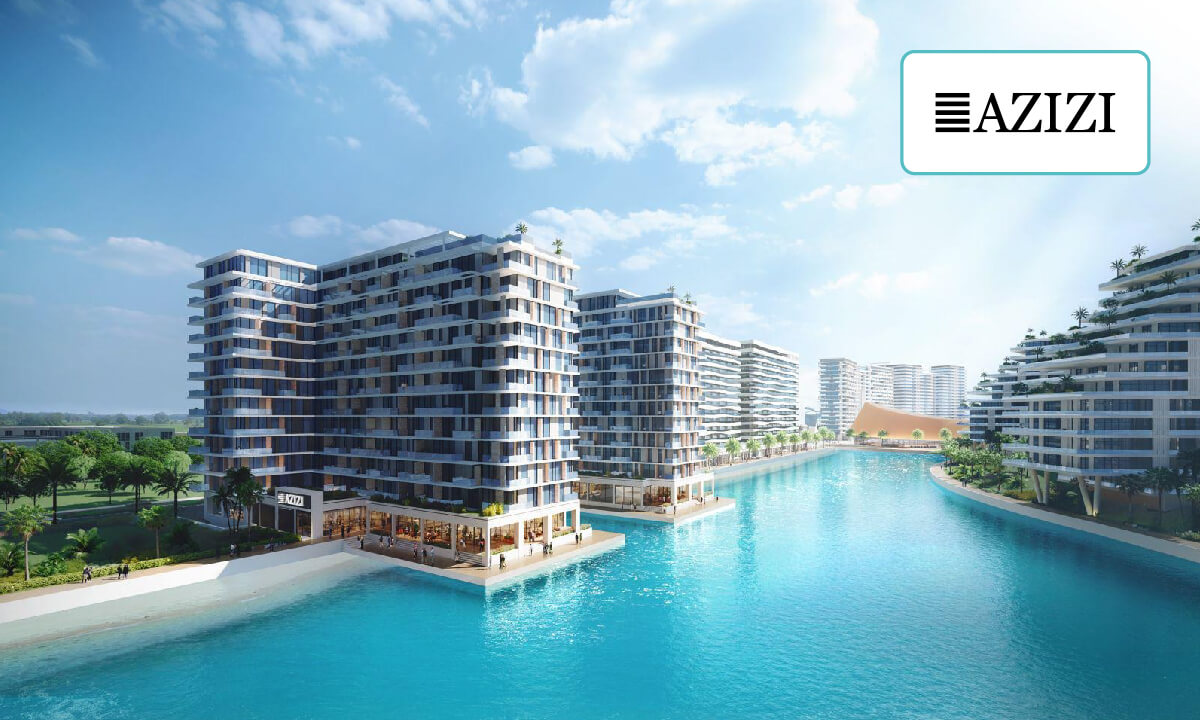
- Azizi Milan – 1,283 transactions
- Jumeirah Village Circle – 1,153 transactions
- Dubai Residence Complex – 946 transactions
Within the ready apartment segment, Jumeirah Village Circle maintained its leading position with 1,111 transactions, followed by Business Bay with 555.
For off-plan villas and townhouses, Sobha Sanctuary recorded the highest number of transactions, with 282 sales. Damac Lagoons led the ready villa and townhouse segment with 211 transactions.
These figures indicate that buyer demand continues to vary across communities, with affordability, location, infrastructure, and available property options playing important roles in purchasing decisions.
Luxury Property Transactions Experience a Decline
Dubai’s luxury residential segment also recorded reduced activity during the third quarter.
Properties priced at AED 20 million or above accounted for 257 transactions, with a combined value of approximately AED 9.6 billion. This represented a 40.5% year-on-year decline.
The ultra-luxury segment, comprising properties priced at AED 50 million and above, recorded 42 transactions worth AED 3.4 billion. Nine residential properties were sold for more than AED 100 million during the quarter.
Although high-value property transactions have moderated, Dubai continues to attract international investors and high-net-worth individuals seeking premium residential assets and long-term investment opportunities.
Property Launches Decline as Developers Adopt a Cautious Approach
New residential project launches also declined significantly during Q3 2026.
Developers introduced 48 projects comprising approximately 15,300 residential units during the quarter. Compared with Q3 2025, project launches declined by 72.7%, while the number of units launched fell by 62.9%.
However, the number of newly launched residential units more than doubled compared with Q2 2026.
During the first nine months of 2026, approximately 190 residential projects comprising 49,800 units were launched. This represented a 67.7% decline in project launches and a 65.5% reduction in the number of units compared with the same period last year.
Cavendish Maxwell attributes the slowdown to developer caution and regional uncertainty, with several projects being deferred as companies reassess market conditions and development timelines.
Dubai Property Market Outlook for 2027
Dubai’s residential real estate market is gradually transitioning towards a more balanced environment as increasing housing supply influences rental and sales activity.
The growing availability of completed residential units is expected to provide tenants with greater choice and improve their negotiating position, particularly in apartment communities where new supply is concentrated.
According to Cavendish Maxwell, rental growth is likely to moderate further, while residential prices could experience continued downward pressure into 2027.
Nevertheless, the city’s long-term property market fundamentals will continue to depend on population growth, economic expansion, employment opportunities, infrastructure development, and sustained international investment.
For prospective buyers and investors, evolving market conditions may create opportunities to evaluate new off-plan developments, compare payment plans, and identify residential communities offering attractive long-term value.
Dubai’s real estate market remains dynamic, and understanding local supply trends, property demand, and investment fundamentals will be increasingly important when making informed property decisions.
Explore Off-Plan Property Investment Opportunities in Dubai
Whether you are researching Off Plan Properties, comparing Off Plan Properties for Sale in Dubai, or looking for an investment opportunity in an emerging residential community, understanding the local market is essential.
At Offplan Dubai Property, you can explore carefully selected Off Plan Dubai Property opportunities, discover upcoming developments, compare payment plans and find properties that align with your investment goals and budget.
Explore the latest off-plan developments in Dubai and take the next step towards your property investment journey.
Source & Attribution: This article is an independently rewritten report based on information originally published by Khaleej Times. Research and data attribution: Cavendish Maxwell – Q3 2026 Dubai Real Estate Market Research. Figures and market insights are attributed to the consultancy as reported by Khaleej Times.







 Enquiry
 Call
 Whatsapp