
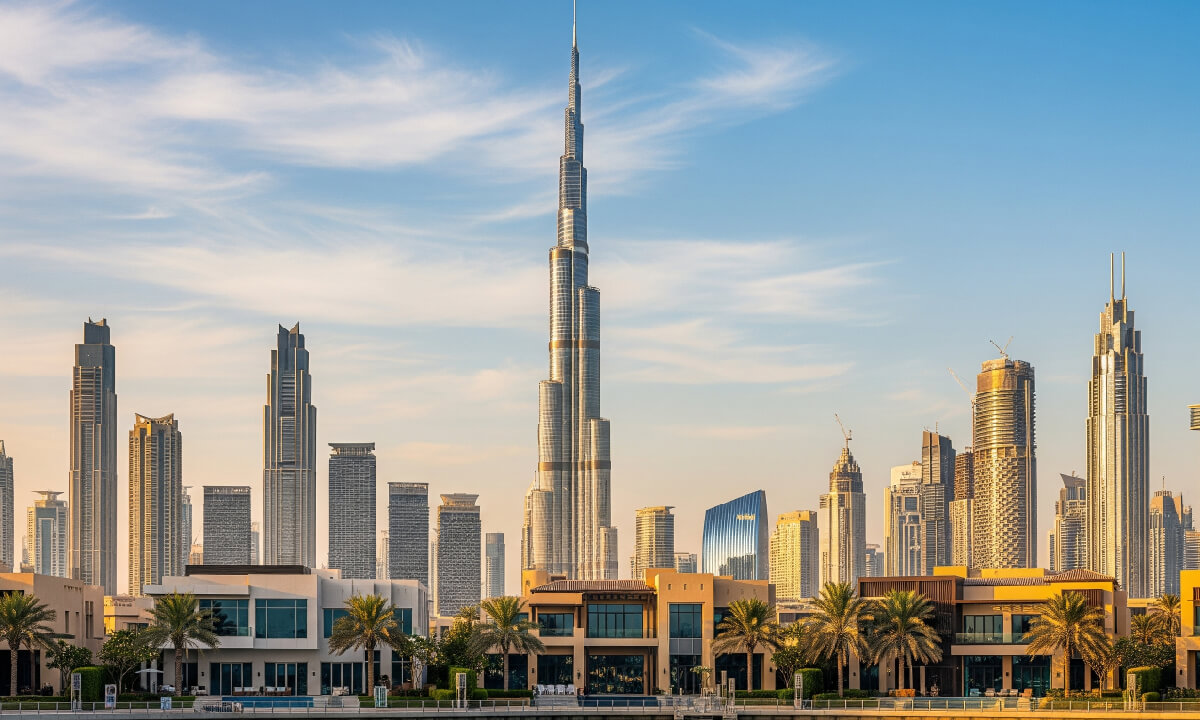
Dubai’s real estate market has experienced significant growth over the past few years, attracting international investors, first-time buyers and high-net-worth individuals. From luxury waterfront apartments to affordable residential communities, the emirate has become one of the most attractive destinations for property investment. However, as the market moves towards 2027, an important question is emerging: Will Dubai property prices fall in 2027, or will the market continue to grow?
Several property market reports suggest that Dubai could experience a period of price correction and stabilisation in 2027, particularly in apartment communities where a substantial number of new homes are expected to enter the market. However, this does not necessarily mean that the entire Dubai real estate market will experience a major decline.
Increasing housing supply, population growth, infrastructure development, international investment and changing buyer preferences will all influence property prices. For investors considering off plan dubai property, understanding these market conditions will be important when selecting the right project and location.
1. Why Could Dubai Property Prices Fall in 2027?
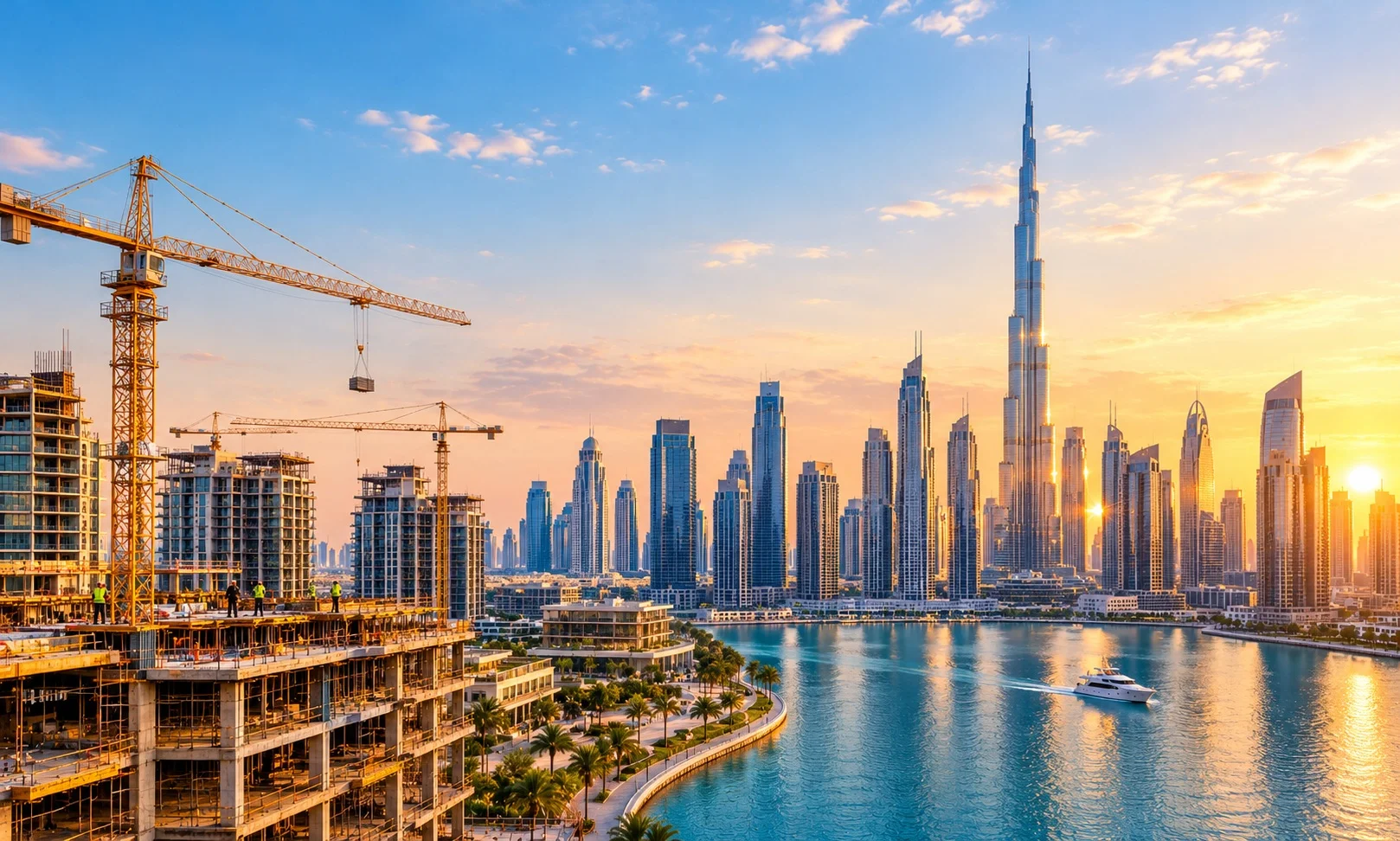
One of the biggest factors influencing Dubai property prices in 2027 will be the increasing supply of residential properties.
According to Cushman & Wakefield Core’s Q3 2026 Residential MarketBeat report, approximately 40,400 residential units were completed during the first nine months of 2026. The report estimates that around 50,900 units could be delivered throughout 2026, with approximately 60,000 units currently scheduled for 2027.
However, other market estimates indicate a considerably larger development pipeline. Reliant Surveyors’ November 2026 residential market review, using REIDIN data, identifies approximately 225,389 homes scheduled for completion in 2027. These figures reflect different supply estimates and assumptions, and scheduled completions should not be confused with homes that will definitely be delivered.
An increase in housing supply could create more competition among property developers and sellers. Buyers may have more options, potentially encouraging developers to introduce attractive payment plans, competitive prices and additional incentives.
This could put downward pressure on certain property segments, especially studios and one-bedroom apartments in locations with a high concentration of similar developments.
2. What Do Recent Dubai Real Estate Reports Indicate?
Recent market reports suggest that Dubai’s property market is already moving away from the exceptional growth experienced in previous years.
Cushman & Wakefield Core reported that residential sale prices were approximately 1% lower year-on-year in Q3 2026, while average rents declined by around 7%. Prices were also approximately 5% below their February 2026 peak.
Similarly, Savills’ Q3 2026 Dubai Residential Market Report described the market as entering a stabilisation phase. The report recorded approximately 34,500 residential transactions during the quarter, representing a 4% quarterly decline.
Moody’s Ratings also highlighted the possibility of moderate price declines, particularly in the apartment segment. Its February 2026 assessment identified elevated supply as a potential challenge, especially for affordable studios and one-bedroom properties.
These reports indicate that buyers should prepare for a more competitive market in 2027. However, a market correction does not automatically translate into a collapse across every neighbourhood or property category.
Prime locations, well-managed communities and developments offering strong lifestyle amenities may continue to attract buyers even when the wider market experiences slower growth.
3. Will Off-Plan Properties in Dubai Become More Affordable?
The off-plan segment will be particularly important in determining the direction of Dubai’s property market in 2027.
Off-plan properties in Dubai have attracted investors because of their flexible payment structures, competitive launch prices and potential for capital appreciation before completion. However, increasing supply and more selective buyers could encourage developers to become more competitive.
This may create opportunities for investors looking for affordable off plan properties in Dubai.
Developers could introduce attractive payment plans, lower booking requirements, post-handover payment options and additional incentives to maintain sales momentum. Buyers may also have more opportunities to compare projects rather than making decisions based solely on launch announcements.
However, not every off plan property for sale in Dubai will offer the same investment potential. Buyers should carefully assess the developer’s track record, construction progress, expected completion date, location, service charges and surrounding infrastructure.
For anyone considering Dubai off plan property investment, the objective should be to identify projects with genuine long-term demand rather than simply purchasing because a launch price appears attractive.
4. Which Dubai Locations Could Remain Attractive in 2027?
Property performance is likely to vary considerably between locations. Some communities may experience greater price competition because of new supply, while established residential destinations could demonstrate comparatively stronger resilience.
Dubai South: Dubai South continues to attract attention because of its long-term infrastructure and economic development potential. Its connection with Al Maktoum International Airport and surrounding logistics and commercial developments makes it an area worth monitoring for investors seeking affordable off plan properties in Dubai.
Dubai Creek Harbour: This waterfront destination appeals to buyers looking for modern apartments, lifestyle facilities and proximity to established commercial districts. Carefully selected Dubai Creek Harbour off-plan projects could appeal to investors seeking long-term residential demand.
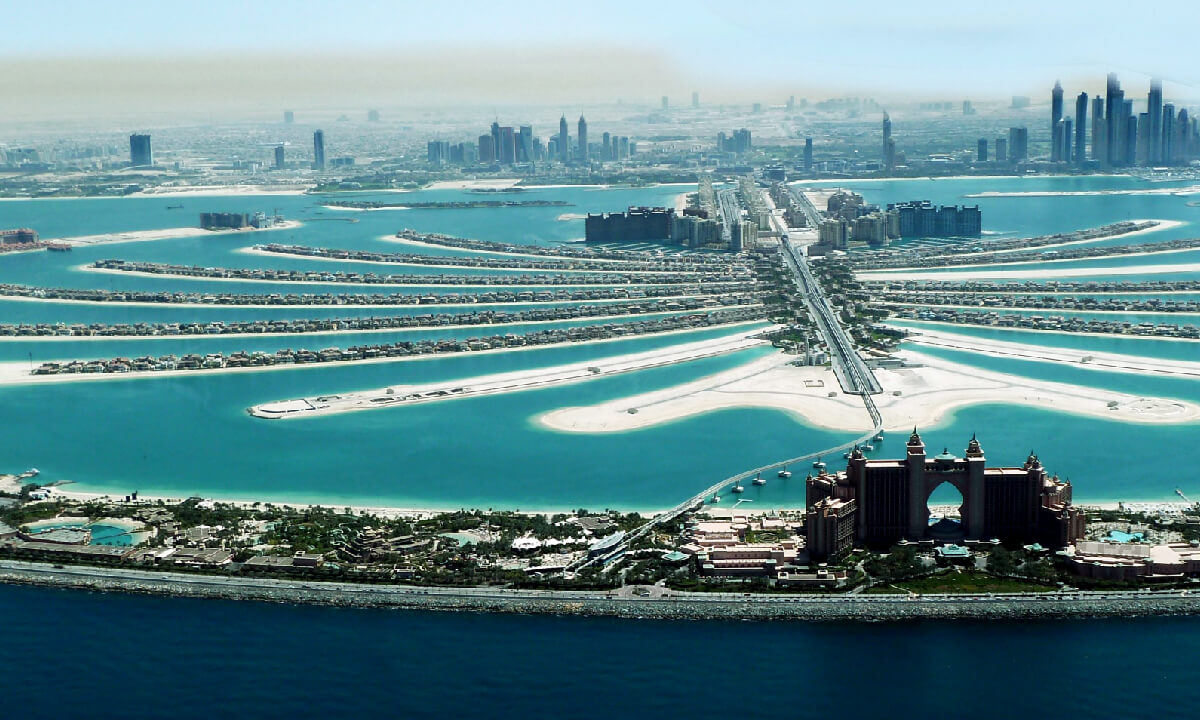
Dubai Islands: Waterfront developments and planned lifestyle infrastructure make Dubai Islands an interesting location for buyers considering future-oriented Dubai property investment opportunities.
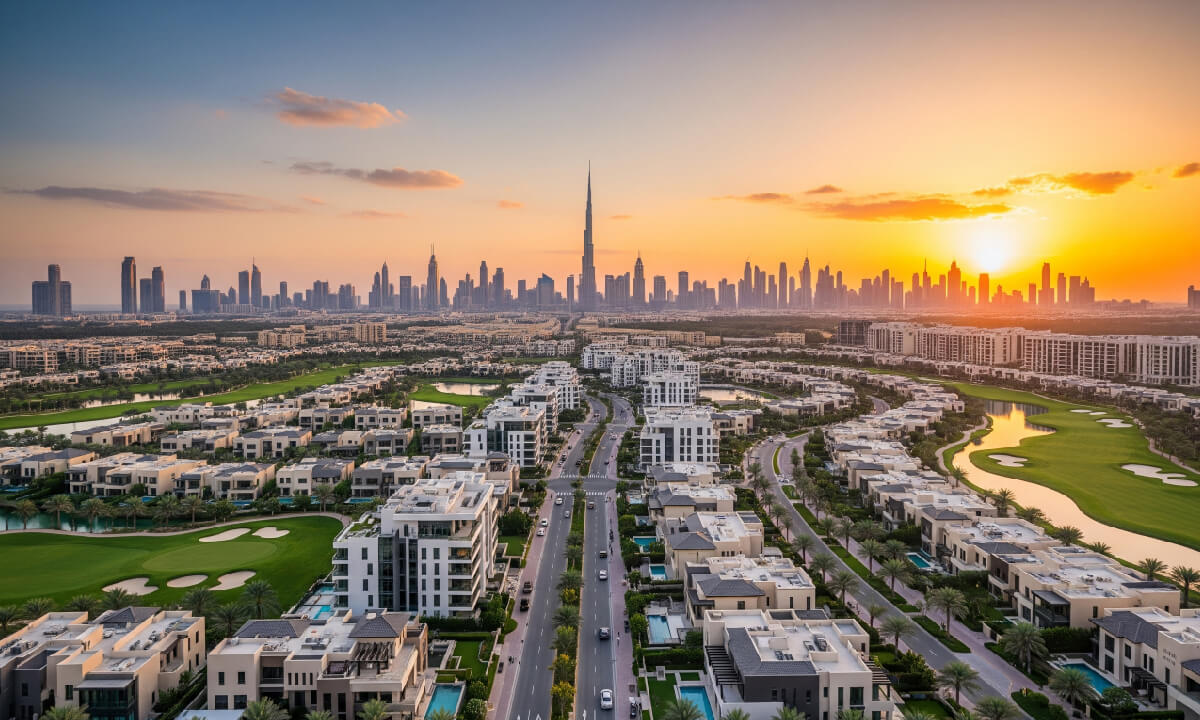
Dubai Hills Estate: Its established residential environment, green spaces, retail facilities and family-oriented amenities could support demand for quality homes.
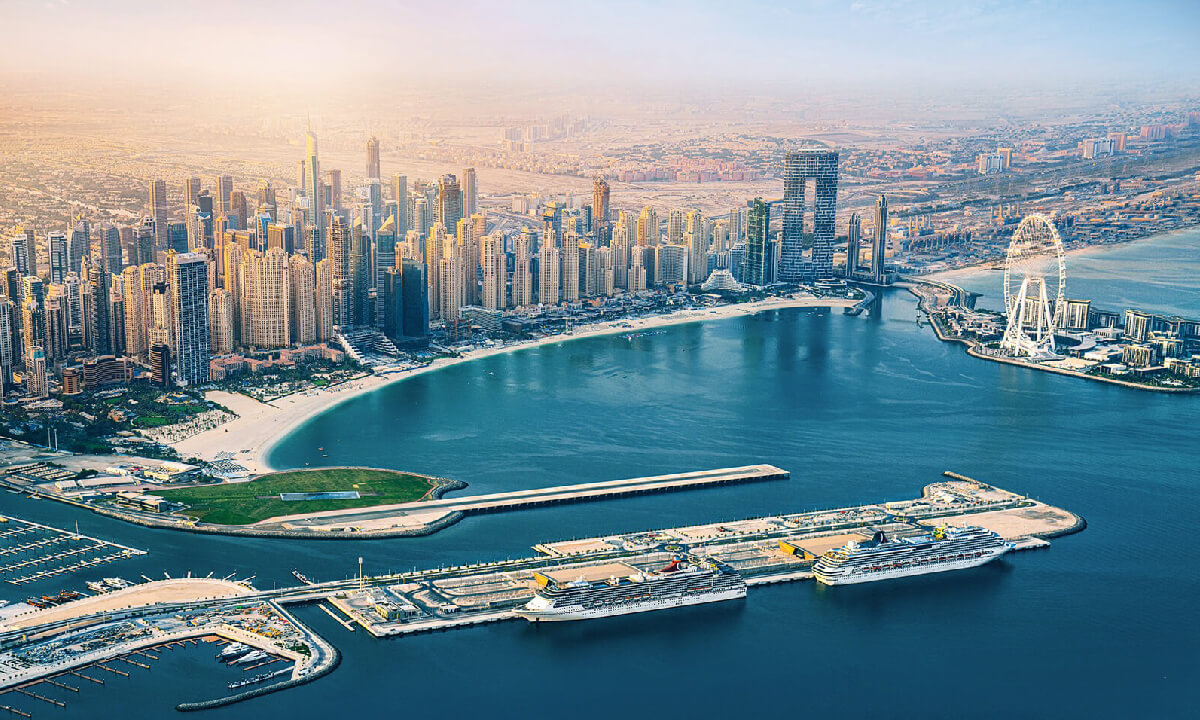
Dubai Marina: Although the area is more established, its waterfront lifestyle, transport connectivity and strong rental appeal continue to make it relevant for property investors.
Rather than assuming that every location will appreciate at the same rate, buyers should compare local supply, transaction prices, rental demand and upcoming developments before making an investment decision.
5. Why Dubai’s Property Market May Remain Resilient
Despite the possibility of price corrections, several factors could continue supporting Dubai’s real estate market. Population growth remains an important source of residential demand. As more professionals, entrepreneurs and international families relocate to Dubai, the requirement for apartments, villas and townhouses may continue to increase.
The emirate also benefits from international connectivity, business-friendly policies, infrastructure investment and residency programmes that attract overseas investors and residents.
Furthermore, Dubai offers different property categories for buyers with varying budgets. From affordable apartments to luxury waterfront residences, this diversity supports a broad range of residential demand.
Established developers, strong project planning and continued investment in infrastructure could also help support the market over the longer term.
However, these factors should not be treated as a guarantee against short-term price declines. Supply growth, affordability, economic conditions and buyer confidence will remain important considerations throughout 2027.
6. Should Buyers Invest in Dubai Property Before 2027?
For buyers considering a purchase, waiting for a major market correction may not always be the best strategy. Equally, purchasing a property simply because a developer announces an attractive launch offer can create unnecessary investment risks.
The better approach is to compare opportunities carefully and focus on the fundamentals of each project.
Before purchasing off plan properties in Dubai, consider the following:
- Developer reputation: Research the developer’s completed projects, delivery record and financial strength.
- Location: Prioritise areas with established infrastructure, employment opportunities and residential demand.
- Pricing: Compare the launch price with recent transactions for similar properties in the same community.
- Payment plans: Understand the payment schedule and ensure that future instalments are financially manageable.
- Rental potential: Evaluate realistic rental income, service charges and ongoing ownership costs.
- Completion timeline: Review the expected handover date and understand the risks associated with construction delays.
Investors should also consider their investment horizon. Buyers seeking short-term resale gains may face greater uncertainty in a market experiencing slower transaction activity. Those planning to hold quality properties over the longer term may be better positioned to navigate temporary market fluctuations.
7. Final Outlook: What Should Buyers Expect from Dubai’s Property Market in 2027?
Dubai property prices could experience further adjustments in 2027, particularly in apartment communities where new supply exceeds immediate buyer demand. Recent reports from Cushman & Wakefield Core, Savills, Moody’s and other market researchers highlight the possibility of slower growth, increased competition and selective price corrections.
However, the outlook is not necessarily negative for every property segment. Prime residential communities, well-connected locations and developments offering genuine lifestyle value may continue to attract demand.
For investors exploring off plan dubai property opportunities, 2027 could provide opportunities to negotiate better prices, compare payment plans and identify projects with stronger long-term fundamentals.
The most important consideration is not whether Dubai property prices will fall across the entire market, but which locations and developments can maintain demand as supply increases.
Looking for the Right Off-Plan Property in Dubai?
Choosing the right development requires more than comparing launch prices. At Off Plan Dubai Property, buyers can explore upcoming developments, compare residential communities and discover off-plan investment opportunities across Dubai. Focus on the right location, developer and payment structure to make a more informed property investment decision.




















 Enquiry
 Call
 Whatsapp