
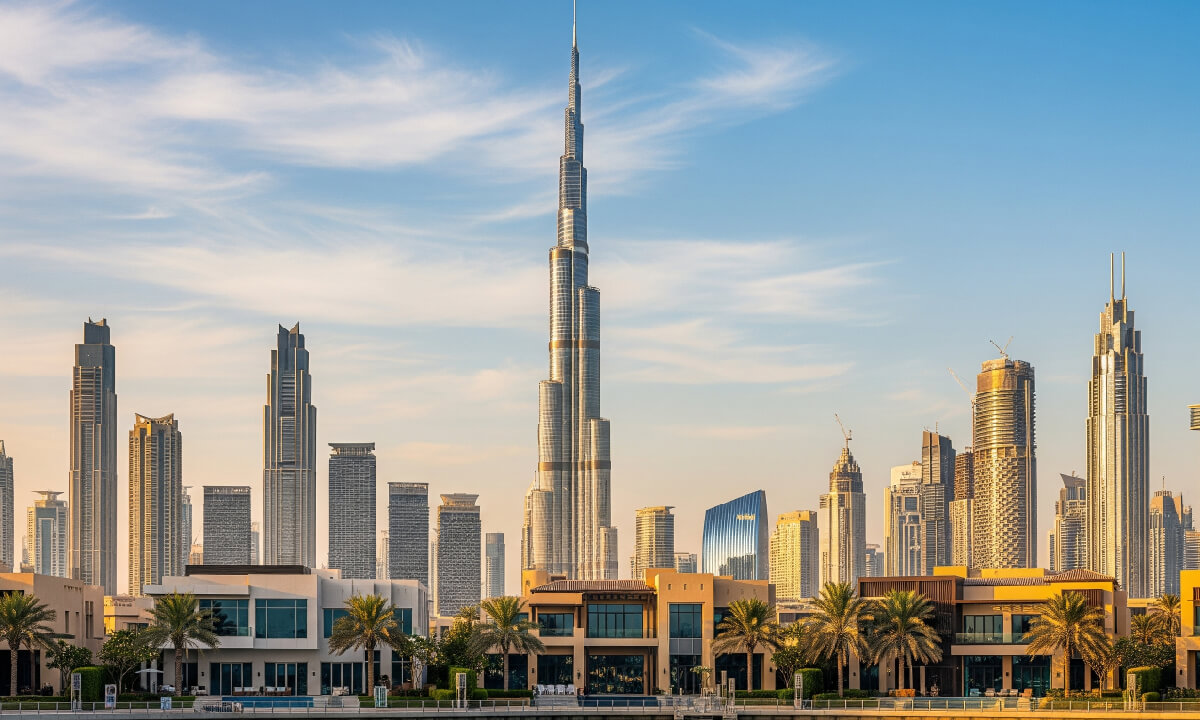
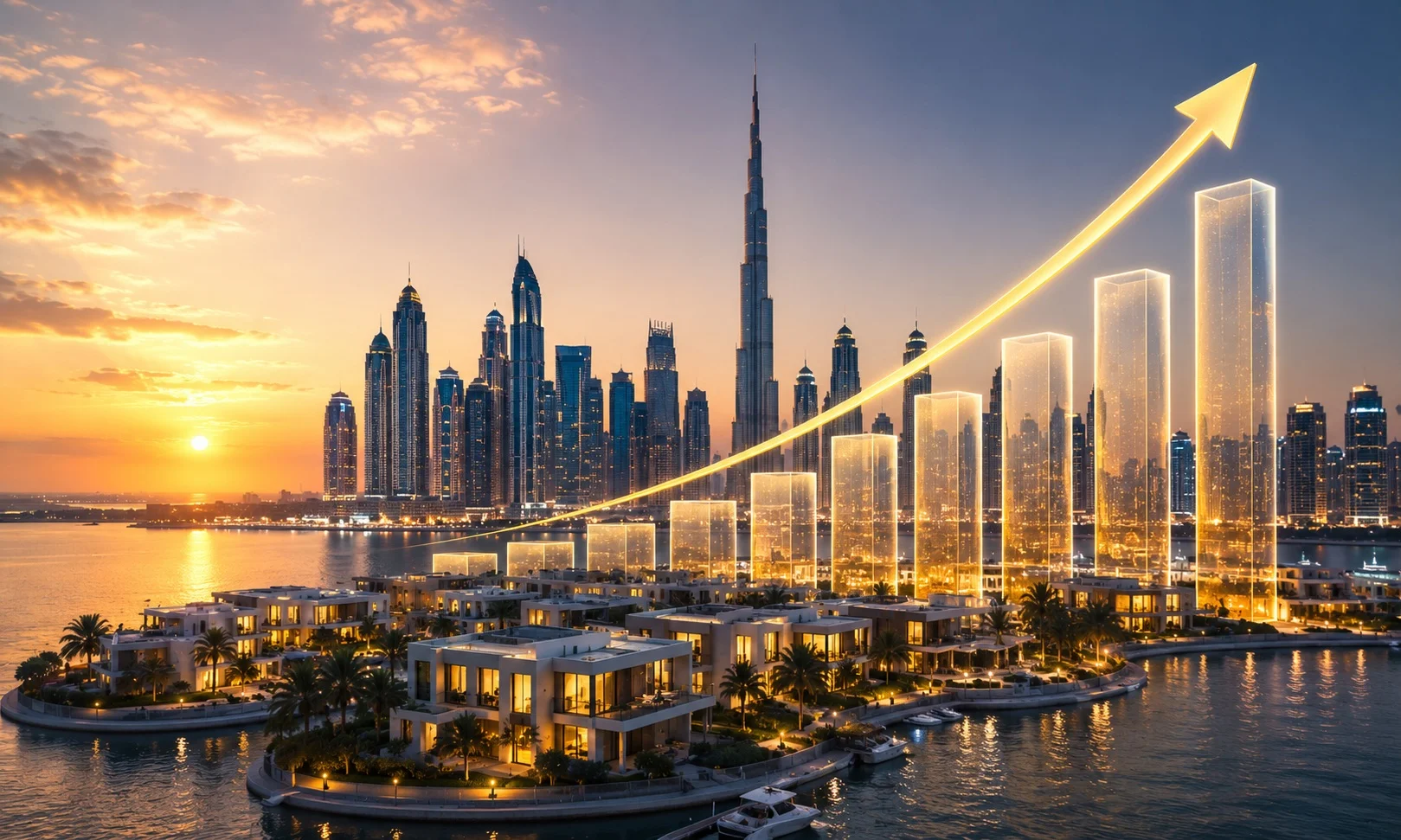
Dubai’s real estate sector is preparing for another major phase of expansion, with approximately 365,000 new residential units projected to enter the market by 2030. At the same time, residential occupancy across the emirate has reached 97%, highlighting continued demand for housing.
The findings come from a newly approved government study presented by the Dubai Land Department (DLD) and approved by The Executive Council of Dubai, chaired by Sheikh Hamdan bin Mohammed bin Rashid Al Maktoum.
The study also forecasts approximately 1.1 million square metres of additional office and retail space by 2030, reflecting Dubai’s wider residential and commercial development plans.
For investors exploring off plan Dubai property, these projections provide important insights into future housing supply, infrastructure development and the long-term direction of the Dubai real estate market.
Dubai Residential Occupancy Reaches 97%
According to the government study, residential property occupancy in Dubai currently stands at 97%. Retail occupancy has reached 98%, while office occupancy is approximately 94%.
These figures highlight strong utilisation across different property segments and provide an important reference point for future development planning.
Dubai expects approximately 365,000 additional residential units by 2030. This expansion is intended to support population growth, housing requirements and the emirate’s long-term economic ambitions.
The government study aims to help developers make better-informed investment decisions, improve project quality and maintain a balance between property supply and demand.
For buyers considering Dubai off plan properties, understanding future supply is particularly important when selecting a residential community or evaluating the potential long-term performance of a development.
Dubai Targets AED1 Trillion in Real Estate Transactions
The new study supports the Dubai Real Estate Sector Strategy 2033, which aims to strengthen the emirate’s position as a leading international property investment destination.
The strategy includes several major targets:
- Increase the real estate sector’s contribution to GDP to AED73 billion.
- Grow real estate transaction volumes by 70%.
- Increase the total value of property transactions to AED1 trillion.
- Double the value of real estate portfolios to AED20 billion.
These targets demonstrate Dubai’s ambition to expand its property sector while attracting international investors and encouraging sustainable development.
For individuals researching Dubai property investment, the strategy also highlights the importance of long-term planning, regulatory development and continued investment in the city’s infrastructure.
365,000 New Homes: What Does This Mean for Off-Plan Buyers?
The projected addition of 365,000 residential units by 2030 will create a significant expansion in Dubai’s housing supply.
For buyers exploring off plan properties for sale in Dubai, this presents both opportunities and considerations.
On one hand, new residential developments can offer access to modern facilities, emerging communities and flexible developer payment plans. On the other hand, investors should carefully evaluate the number of competing projects scheduled for completion in their preferred locations.
The overall supply figure does not mean that every community will experience the same level of new development. Property demand and pricing will depend on location, property type, affordability and infrastructure.
Investors should therefore consider future rental demand, nearby employment centres, transport connectivity and the reputation of developers before purchasing.
Infrastructure Development to Support Dubai’s Growth
Dubai’s future property development plans are also supported by major investments in transport and community facilities.
The Executive Council approved a AED9.59 billion programme to develop community services and facilities through 2040. Another important initiative is the AED2 billion Metro extension towards Al Maktoum International Airport City.
The project will extend Route 2020 by three kilometres and include two additional stations, with services scheduled to begin in 2031.
These investments are expected to support population growth, improve connectivity and strengthen access to essential services.
For buyers researching new projects in Dubai, infrastructure development is an important factor when comparing emerging residential destinations and established communities.
What Should Property Investors Consider Before 2030?
Dubai’s projected residential expansion offers opportunities across different property categories, but investment decisions should be based on individual project fundamentals.
Buyers considering affordable off plan properties in Dubai should evaluate:
- Location: Connectivity, nearby facilities and future infrastructure.
- Developer reputation: Previous projects and delivery track record.
- Pricing: Compare the purchase price with similar developments.
- Payment plans: Understand instalments and financial commitments.
- Future supply: Assess competing developments and potential rental demand.
These factors can help investors make more informed decisions as Dubai continues its development towards 2030 and beyond.
Explore Dubai Off-Plan Property Opportunities
Dubai’s 97% residential occupancy rate and projected addition of 365,000 new homes highlight the scale of its future property development plans.
Supported by the Real Estate Sector Strategy 2033, infrastructure investments and continued private-sector participation, the emirate is working towards a larger and more diversified real estate market.
For buyers interested in Dubai off-plan property, the key is to identify developments with suitable locations, competitive pricing, reliable developers and long-term demand potential.
Looking for Off-Plan Property in Dubai?
Explore the latest Dubai off-plan projects and compare residential opportunities across emerging and established communities to find a property that matches your investment objectives.
Source and Attribution: Dubai Land Department (DLD) government study and announcements approved by The Executive Council of Dubai, as reported by Arabian Business.
















 Enquiry
 Call
 Whatsapp