
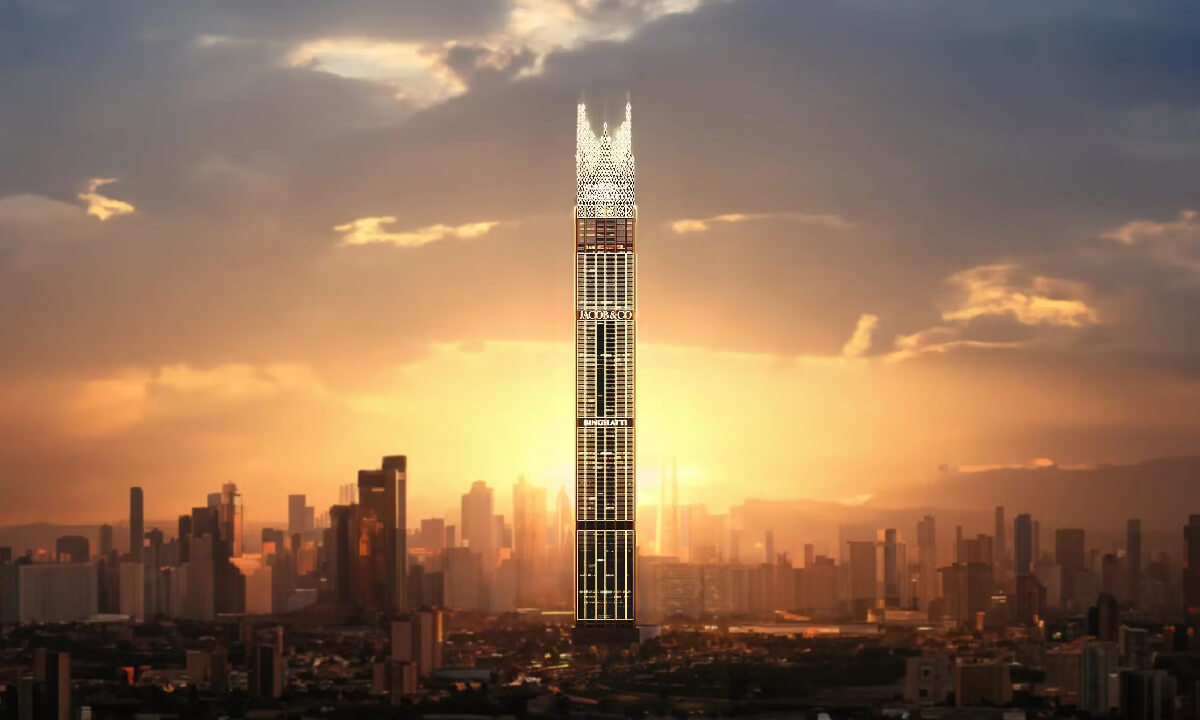
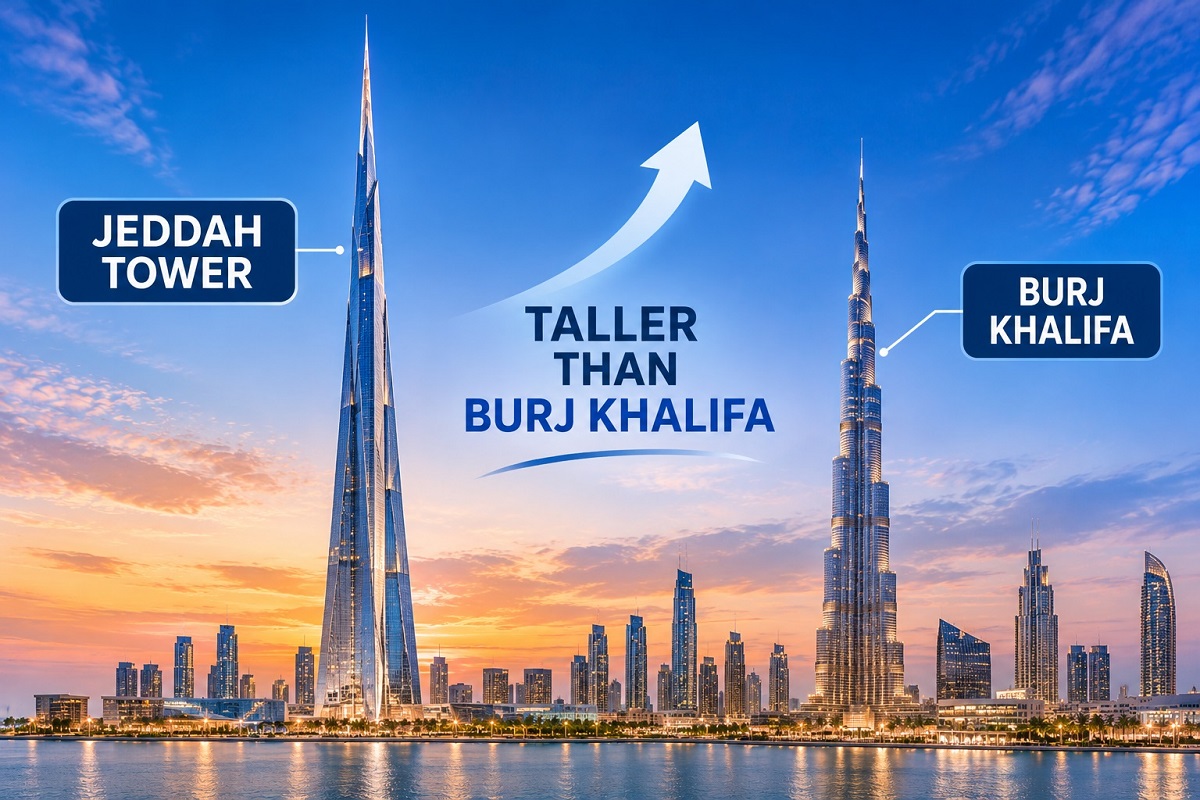
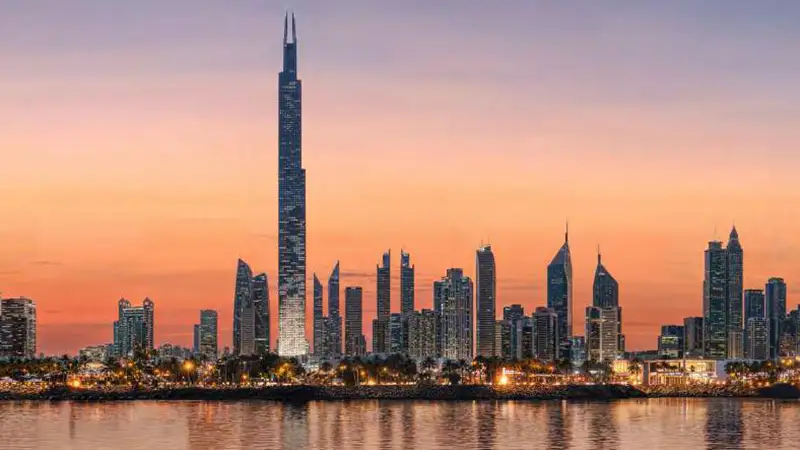
Saudi Arabia is preparing to make architectural history with the development of Jeddah Tower, an ambitious skyscraper designed to become the world’s tallest building. Expected to surpass Dubai’s iconic Burj Khalifa, the tower is targeting completion as early as 2028. Rising beyond the one-kilometre mark, this landmark development represents a significant milestone in modern architecture, engineering and urban development.
The project is also attracting international attention because of its potential to transform Jeddah’s skyline and strengthen Saudi Arabia’s position as a global destination for tourism, business and investment.
According to an exclusive interview published by Arabian Business, Bob Forest, founding partner of Adrian Smith + Gordon Gill Architecture (AS+GG), has explained the engineering challenges, architectural decisions and construction ambitions behind the record-breaking skyscraper.
For investors following the wider Middle East property market, developments such as Jeddah Tower also highlight the growing ambition of the region’s real estate sector. Similar large-scale developments continue to influence interest in Dubai Property, luxury developments and Dubai Property Investment opportunities.
Jeddah Tower: An Ambitious Architectural Landmark
Jeddah Tower is being developed as the centrepiece of Jeddah Economic City, a major mixed-use development intended to create a modern destination for residential living, commercial activities, hospitality and entertainment.
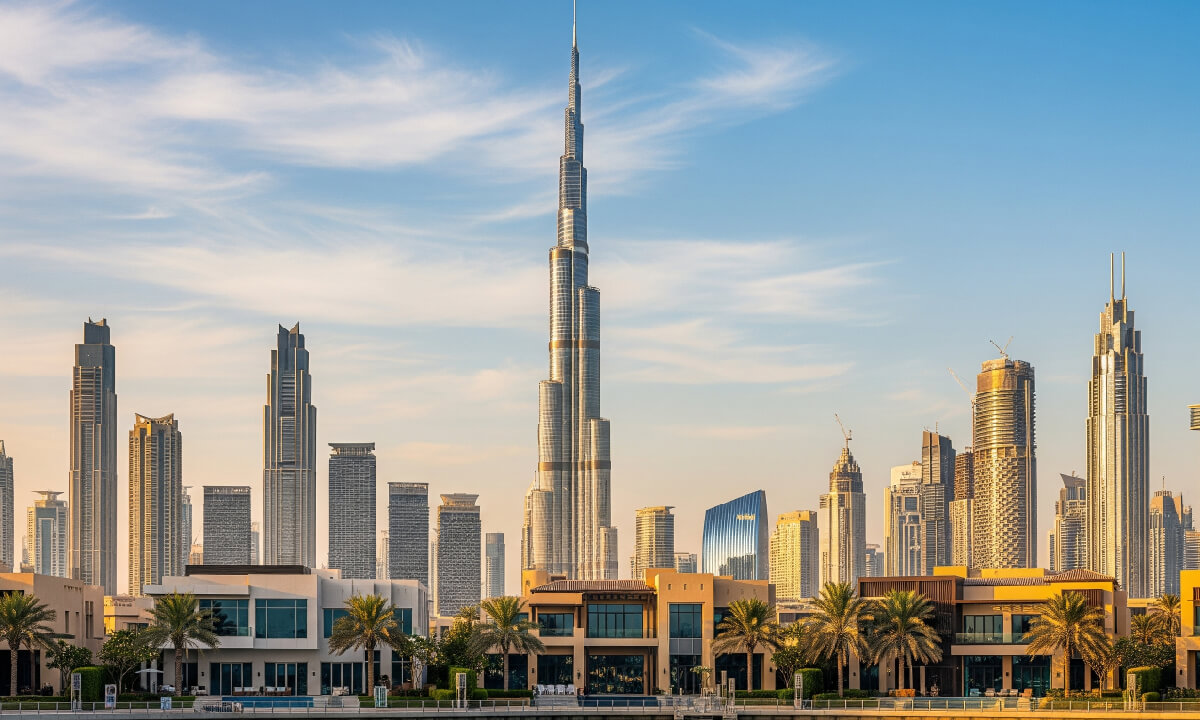
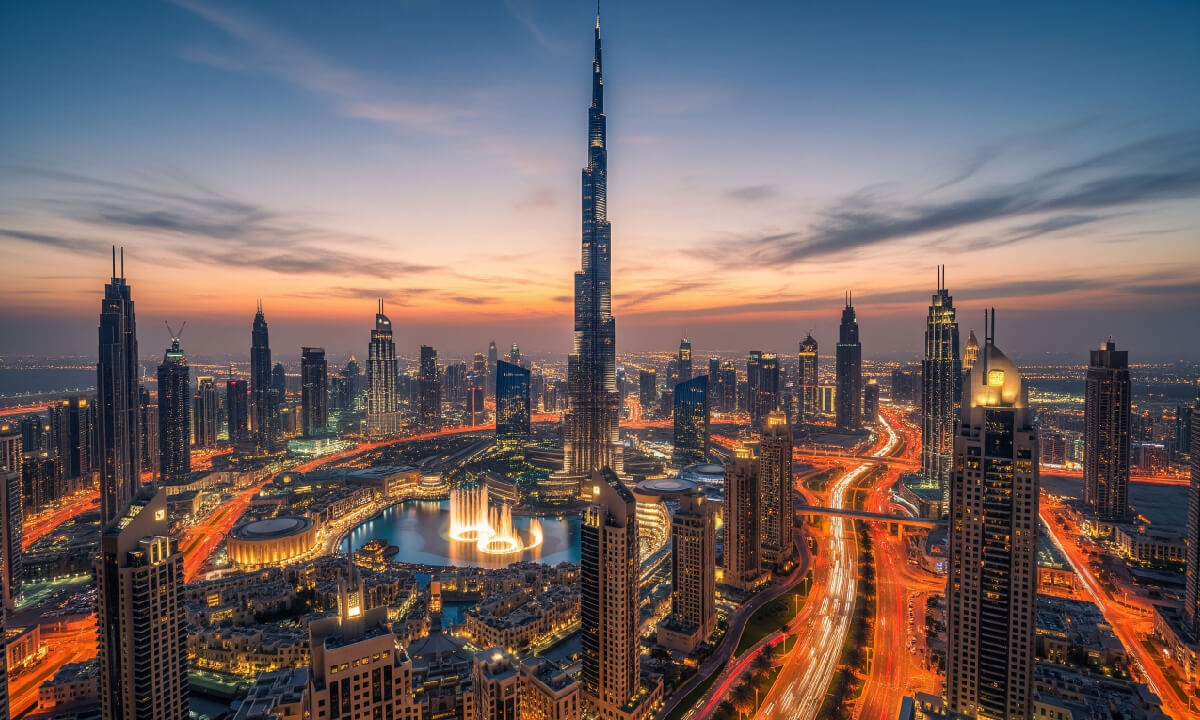
Designed by Adrian Smith + Gordon Gill Architecture, the skyscraper aims to redefine the possibilities of supertall construction. Its planned height of more than one kilometre will place it ahead of the Burj Khalifa, which currently holds the record as the world’s tallest building.
The architectural team has approached the project with a focus on combining structural performance, construction efficiency and an improved experience for occupants.
Rather than simply creating a taller building, the ambition is to develop a structure that can function efficiently while becoming an internationally recognised landmark for Saudi Arabia.
Lessons from Dubai’s Burj Khalifa
The development of Jeddah Tower draws on valuable experience gained from previous supertall skyscraper projects, particularly the Burj Khalifa in Dubai.
Adrian Smith was part of the architectural team responsible for designing the Burj Khalifa during his time at Skidmore, Owings & Merrill (SOM). He later established AS+GG alongside Gordon Gill and Bob Forest.
Although Smith has since retired from AS+GG, the firm’s experience with exceptionally tall buildings has helped inform its approach to Jeddah Tower.
The Burj Khalifa demonstrated how architectural design, structural engineering and advanced construction methods could work together to achieve extraordinary heights.
However, Jeddah Tower presents a different set of challenges. Its greater planned height requires careful consideration of wind resistance, building movement, vertical transportation and the efficient use of internal space.
These engineering lessons are also relevant to the wider Middle East construction industry, where ambitious New Projects in Dubai and other regional developments continue to introduce innovative approaches to architecture and urban planning.
Why Jeddah Tower Has a Tapering Architectural Design?
One of the most important architectural decisions behind Jeddah Tower was choosing a continuously tapering structure instead of a conventional stepped design.
According to Bob Forest, the design team wanted an architectural form that could integrate with the building’s structural requirements while reducing construction complications.
Stepped skyscrapers can create additional construction challenges because their changing profiles require adjustments to formwork and building techniques as construction progresses.
Jeddah Tower’s tapering shape is intended to make the construction process more continuous while helping the structure manage wind forces at extreme heights.
This approach demonstrates how architectural appearance and engineering performance must work together when designing buildings that extend beyond conventional skyscraper limits.
The design also reflects the firm’s guiding principle, which prioritises the relationship between a building’s form and its performance.
Let’s Find Your Dubai Property
Managing Wind Resistance and Engineering Challenges
Wind is one of the biggest challenges associated with constructing extremely tall buildings.
As skyscrapers rise higher, they encounter changing wind conditions that can place considerable pressure on their structural systems. Engineers must carefully evaluate how these forces affect the building’s stability, movement and long-term performance.
For Jeddah Tower, the architectural shape has been developed with wind performance in mind.
However, structural stability is only one part of the challenge. The design must also address fire safety, ventilation, vertical transportation and the practical requirements of different building functions.
According to Forest, these considerations become increasingly complicated when a skyscraper rises beyond 500 metres.
The limited internal space must accommodate essential building systems without compromising the usability of offices, hotels and residential areas.
This makes coordination between architects, structural engineers and other technical specialists particularly important.
Advanced Elevator Systems and Double-Decker Lifts
Another major engineering challenge involves transporting people efficiently throughout a building that will exceed one kilometre in height.
Traditional elevator arrangements become increasingly difficult to manage as buildings grow taller. Longer travel distances can affect waiting times, energy consumption and the amount of internal space required for lift shafts.
To address these challenges, Jeddah Tower will incorporate a combination of conventional elevators and high-speed express lifts.
The planned system will use express elevators to transport passengers to designated sky lobbies, where they can transfer to local lifts serving specific sections of the building.
The tower will also feature double-decker elevators. These systems use two lift cars operating together within a single shaft, helping accommodate more passengers while reducing the space required for vertical transportation.
Such technologies are essential to making supertall buildings practical rather than simply architecturally impressive.
Observation Decks and Spectacular Red Sea Views
Beyond its engineering achievements, Jeddah Tower is being designed to provide memorable experiences for visitors and occupants.
One of its major attractions will be an observation deck offering panoramic views across Jeddah and the Red Sea. The observation area is expected to incorporate an indoor-outdoor experience, allowing visitors to enjoy the surrounding landscape from an extraordinary height.
Comfort and safety remain important considerations because tall buildings naturally experience movement under certain wind conditions.
The engineering systems must ensure that this movement remains within acceptable limits so occupants can use the building comfortably.
The observation deck is also expected to strengthen the tower’s appeal as a tourism destination, attracting international visitors and contributing to Jeddah’s growing reputation as a major destination.
Jeddah Economic City: More Than Just a Skyscraper
Jeddah Tower is intended to become more than an architectural record. It will serve as the central landmark of Jeddah Economic City, a wider development designed to support commercial, residential, hospitality and leisure activities.
Jeddah has historically played an important role as an international gateway to Mecca and a major port city on the Red Sea.
The new development aims to build on this position by introducing a modern urban destination with international appeal.
The tower could strengthen tourism, encourage business activity and attract greater attention to the surrounding development.
In this respect, its potential impact could be comparable to the role the Burj Khalifa has played in shaping Dubai’s international identity.
What Jeddah Tower Means for the Middle East Real Estate Market?
The development of Jeddah Tower highlights the growing ambition of the Middle East’s property and construction sectors.
Saudi Arabia and the UAE continue to attract attention through large-scale infrastructure projects, luxury developments and ambitious urban expansion plans.
Dubai, in particular, remains an important destination for international property investors. Its established infrastructure, residential communities and ongoing development pipeline continue to support demand across the real estate sector.
Investors exploring Off plan dubai property opportunities are also paying attention to the region’s broader development activity and the potential influence of infrastructure, tourism and economic growth on property demand.
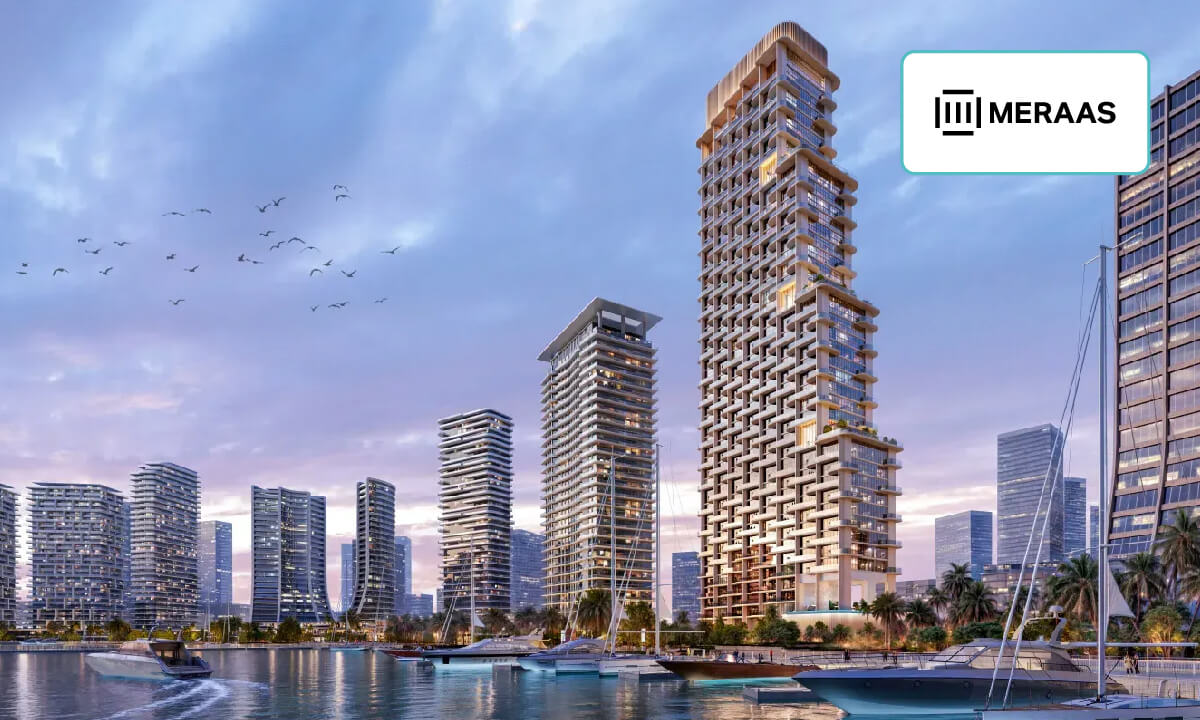
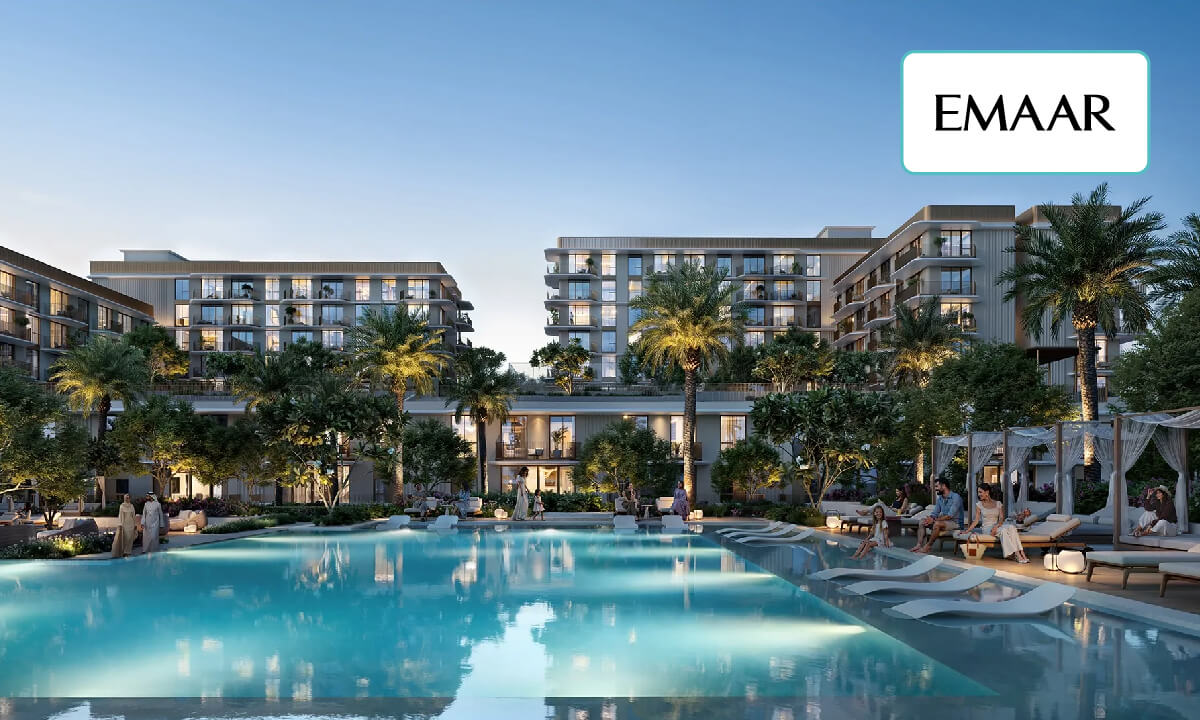
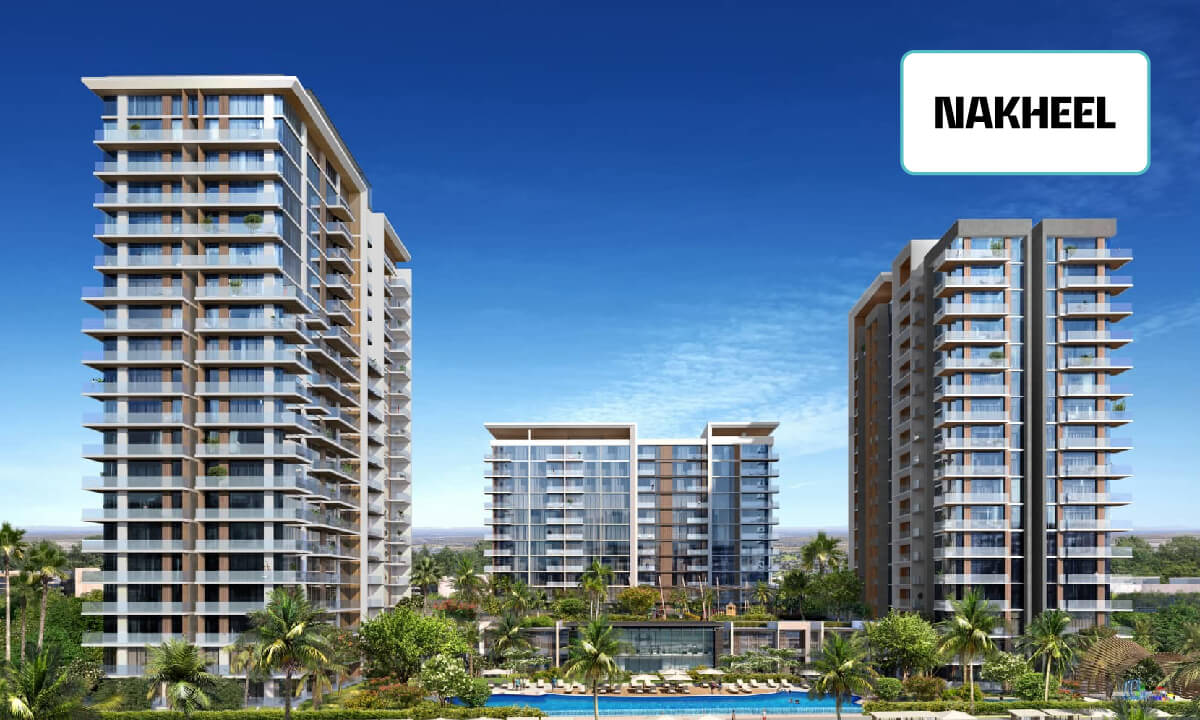
The market offers a variety of Off plan Properties, ranging from residential apartments to luxury waterfront developments and master-planned communities.
With several Dubai Off Plan Projects being introduced across emerging and established locations, buyers can explore opportunities based on their investment objectives, preferred locations and budgets.
Those considering Off Plan Properties Dubai can also compare payment plans, developer track records and project completion timelines before making an investment decision.
For buyers researching Affordable Off Plan Properties in Dubai, emerging residential destinations may offer alternatives to some of the city’s more established premium communities.
Exploring Off Plan Properties for Sale in Dubai can provide access to different property types and payment structures, while understanding the location and development potential remains essential.
The Future of Supertall Architecture
Jeddah Tower represents an important step forward in the evolution of skyscraper design. Its development demonstrates how architects and engineers are combining innovative building forms, advanced structural systems and modern transportation technologies to overcome the challenges associated with extreme heights.
According to Bob Forest, there is still considerable potential for future skyscrapers to reach even greater heights. However, achieving this will require architectural designs that respond to the specific engineering and environmental demands of each project.
As the Middle East continues to invest in ambitious developments, projects such as Jeddah Tower and Dubai’s Burj Khalifa will remain important examples of how architecture can influence the identity and growth of modern cities.
For anyone following Dubai Real Estate, regional construction trends and Off Plan Property Dubai opportunities, these landmark projects provide an interesting perspective on the future direction of urban development across the Gulf.
Source and Attribution: This article is an independently rewritten version based on reporting and an exclusive interview with Bob Forest, founding partner of Adrian Smith + Gordon Gill Architecture (AS+GG), originally published by Arabian Business. All project details and architectural insights are attributed to the original source.







 Enquiry
 Call
 Whatsapp