
Dubai’s residential mortgage market reached a new record in the third quarter of 2026, with lending rising to AED 21.8 billion ($5.94 billion) as buyers secured approximately 10,000 residential mortgage loans. The latest figures highlight continued financing activity in Dubai’s property market, even as overall property transactions and residential prices show signs of moderation.
According to research by property consultancy Cavendish Maxwell, the total value of residential mortgages exceeded the previous quarterly record of AED 20.5 billion ($5.58 billion), established during the final quarter of 2025.
Mortgage transaction volumes increased by nearly 33% compared with the second quarter of 2026 and grew 2.7% year-on-year. This indicates that property financing remains an important part of Dubai real estate activity, with both buyers and existing homeowners contributing to the increase.
The development is also relevant for investors exploring Dubai Property Investment, including those comparing completed residential properties with Off Plan Properties Dubai and upcoming residential developments.
Villa and Townhouse Mortgage Activity Records Strong Growth
Villas and townhouses recorded particularly strong growth in mortgage financing during Q3 2026.
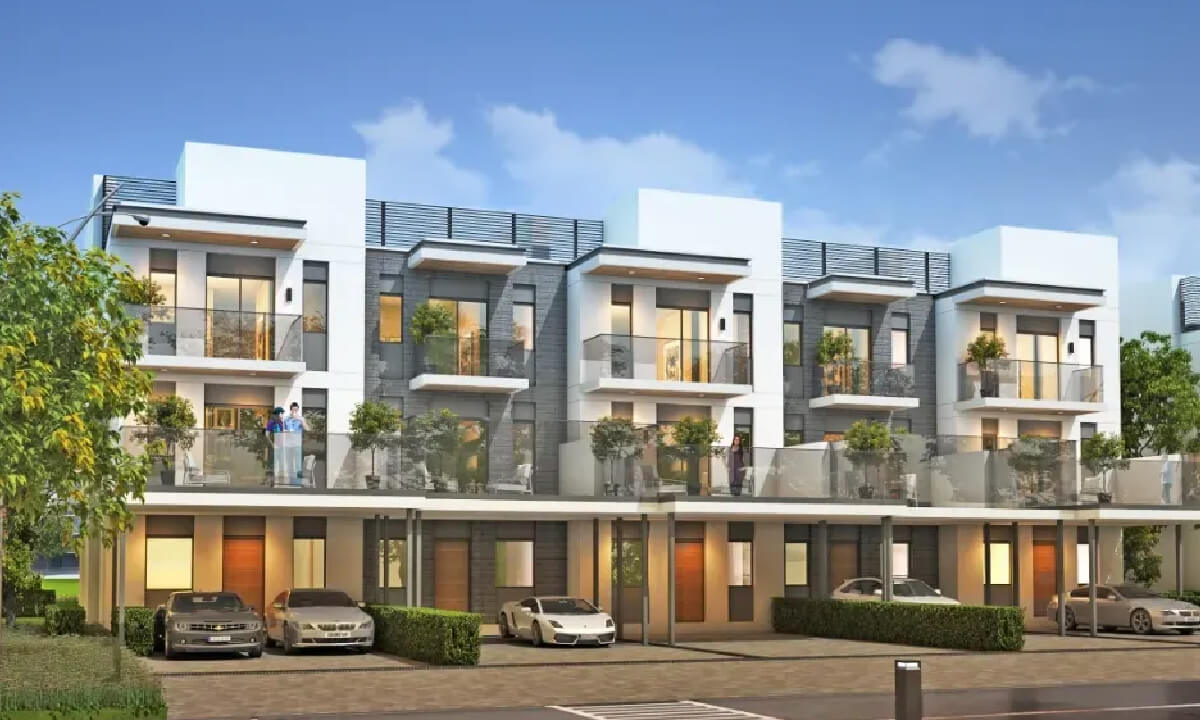
Mortgage transactions for these property types increased by 40% compared with the previous quarter and nearly 14% year-on-year. The growth highlights continued financing activity in Dubai’s low-rise residential segment.
Apartment mortgage transactions also experienced positive quarterly growth, increasing by almost 30% compared with Q2 2026. However, apartment mortgage activity remained 3.5% lower than the corresponding period in 2025.
Cavendish Maxwell attributed the increase in mortgage lending to several factors, including residential property handovers, refinancing activities and purchases financed through mortgages.
This suggests that the growth in mortgage values is not entirely driven by new homebuyers entering the market. Existing property owners refinancing their mortgages and buyers financing recently completed homes have also contributed to the overall increase.
For buyers considering Off Plan Property Dubai, mortgage availability and financing requirements are important factors to evaluate, particularly when planning payments around construction milestones and property handover.
Dubai Property Sales Slow Following Record-Breaking 2025
Despite the record mortgage figures, Dubai’s wider residential property market experienced a slowdown during the third quarter of 2026.
According to Cavendish Maxwell, approximately 33,900 residential property transactions worth AED 72.6 billion ($19.77 billion) were recorded during the quarter. This represented annual declines of more than 38% in transaction volumes and 47% in total sales value.
Residential property prices also showed signs of moderation. Average prices declined by 2.2% year-on-year to AED 1,644 ($448) per square foot in September 2026. This marked the consultancy’s first recorded annual price decline since the post-pandemic market recovery began.
However, prices increased slightly by 0.3% compared with the previous quarter.
Let’s Find Your Dubai Property
The moderation follows several years of exceptional growth in Dubai’s property sector. During 2025, the emirate recorded more than 270,000 real estate transactions worth AED 917 billion ($249.7 billion), representing a 20% increase in transaction value compared with 2024.
More recent Dubai Land Department figures also indicate a change in market activity during 2026.
Dubai registered approximately 122,900 property sales worth AED 378.6 billion ($103.09 billion) during the first nine months of 2026. The total sales value declined by 23.5% compared with the corresponding period in 2025.
September alone recorded property sales worth AED 29.66 billion ($8.08 billion), representing a 45.6% year-on-year decline.
These developments highlight a changing environment for Dubai real estate, where investors are increasingly evaluating property prices, financing conditions, location potential and future residential supply before making investment decisions.
Nearly 292,000 New Homes Expected in Dubai During 2027 and 2028
One of the major factors influencing Dubai’s residential property outlook is the substantial pipeline of upcoming housing supply.
Cavendish Maxwell estimates that approximately 291,800 residential units are scheduled for completion during 2027 and 2028.
The projected supply includes:
2027: Approximately 136,100 residential units.
2028: Approximately 155,700 residential units.
Dubai has already delivered around 38,000 new homes during the first nine months of 2026, representing a 41% increase compared with the same period in 2025.
An additional 24,000 residential units are scheduled for handover before the end of December 2026, although actual completion numbers will depend on construction progress.
The expected increase in housing supply could influence property prices, rental performance and investment opportunities across different residential communities.
For buyers researching Dubai Off Plan Projects, the growing supply pipeline makes it particularly important to assess project locations, expected completion dates, developer track records and competing developments before committing to a purchase.
The availability of new residential properties could also create more choices for buyers searching for Affordable Off Plan Properties in Dubai, especially in developing communities where developers are introducing different apartment and townhouse options.
Market Outlook: What Does the Increase in Supply Mean for Property Investors?
According to Ronan Arthur, Director and Head of Residential Valuation at Cavendish Maxwell, Dubai’s residential property market has experienced slower price appreciation over the past 12 months following a period of strong growth.
He identified several contributing factors, including increased residential completions, declining transaction activity, regional tensions affecting market sentiment and softer home finance conditions.
The consultancy also highlighted that the expected delivery of more than 290,000 residential units over the next two years could create additional pressure on property prices.
However, the market’s ability to absorb this supply will depend on several important factors, including population growth, household formation, employment opportunities and continued investment demand.
For property investors, these developments make careful research increasingly important. Rather than evaluating the Dubai property market solely on previous price appreciation, buyers should consider the long-term fundamentals of individual communities and developments.
Investors exploring Off Plan Properties for Sale in Dubai should pay particular attention to developer credibility, construction progress, payment schedules, expected handover dates and the level of competing supply in the surrounding area.
Similarly, buyers considering New Projects in Dubai can compare emerging residential locations with established communities to identify opportunities that match their investment budgets and objectives.
What This Means for Dubai’s Off-Plan Property Market?
The record mortgage lending figures and the expected increase in residential supply present an important picture of Dubai’s evolving property market.
Although mortgage financing reached an all-time quarterly high, the slowdown in residential sales and price growth suggests that buyers are becoming more selective.
The off-plan segment remains an important part of Dubai’s residential development landscape, providing access to newly launched projects, different property configurations and developer-specific payment plans.
However, investors should not assume that every new development will deliver the same returns. Project selection, location demand, developer reputation, construction quality and future supply are important considerations.
For those researching Off Plan Dubai Property, this changing market environment offers an opportunity to compare different developments carefully and focus on long-term investment fundamentals rather than short-term market movements.
At OffplanDubaiProperty.ae, buyers can explore residential developments across Dubai and compare opportunities based on location, budget, developer and payment plan.
Looking to Invest in Dubai Real Estate?
Explore the latest Off Plan Properties in Dubai and discover new residential developments that align with your investment goals. Connect with our team to learn more about available projects, payment plans and emerging investment locations.
Source & Attribution: This article is an independently rewritten report based on information originally published by Arabian Business. All transaction figures and market statistics are credited to the original source.














 Enquiry
 Call
 Whatsapp