
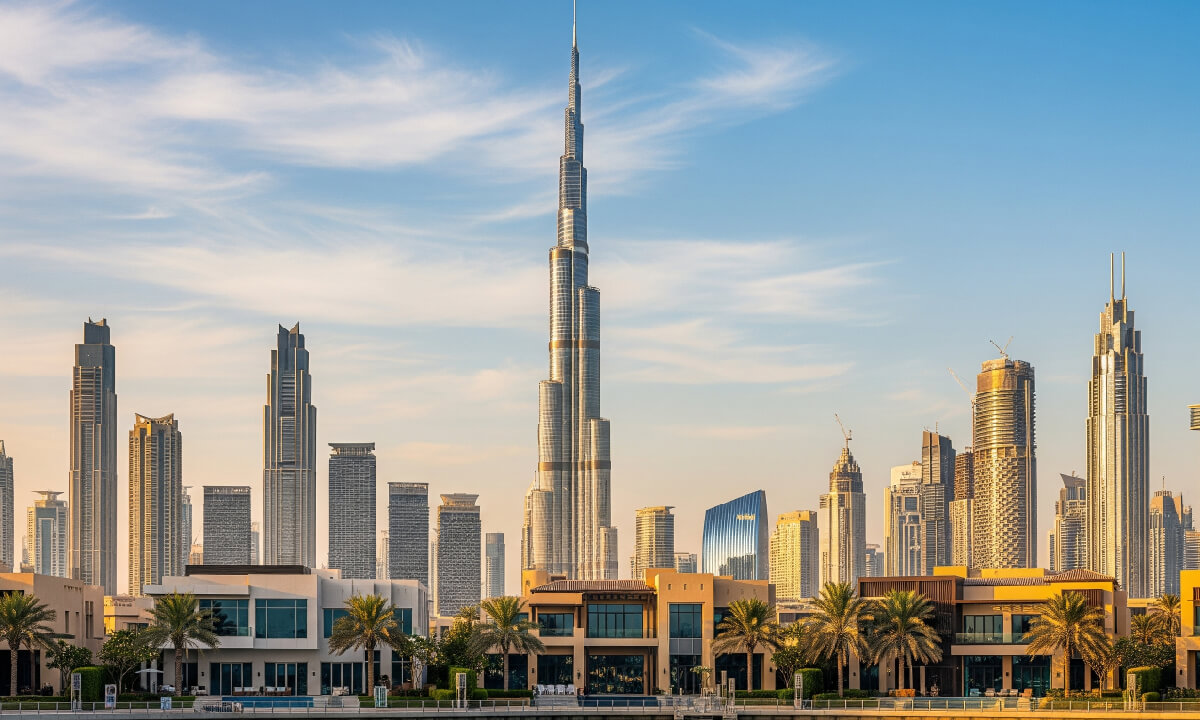
The UAE real estate market is experiencing changing dynamics across its major property destinations, with Dubai’s residential sector showing signs of moderation while Abu Dhabi continues to record strong apartment price growth. According to CBRE Middle East’s latest UAE Real Estate Market Review for the third quarter of 2026, Dubai residential property prices declined approximately 1% year-on-year, while average rents dropped by 7%.
In contrast, Abu Dhabi’s apartment market maintained its upward momentum, with residential apartment prices increasing by 13% compared with the same period last year. These developments highlight the evolving landscape of Dubai real estate and the different investment opportunities emerging across the UAE.
Despite the recent moderation, Dubai Property continues to attract international investors and homebuyers interested in the emirate’s long-term growth potential. Meanwhile, the growing popularity of off plan Dubai property and new residential developments is creating additional opportunities for buyers exploring the UAE property market.
Dubai Residential Property Market Enters a More Balanced Phase
Dubai’s property market has entered a period of adjustment following several years of substantial price appreciation and strong rental growth. During Q3 2026, average residential sales prices recorded a marginal annual decline of approximately 1%, while rental rates experienced a more significant correction.
The 7% decline in residential rents indicates changing conditions for landlords and tenants as additional housing supply enters the market and rental demand becomes more selective.
Transaction activity also moderated during the quarter, reflecting a more cautious approach among buyers. Developers responded to these market conditions by slowing the pace of new project launches.
For investors considering Dubai Property Investment, these changing market conditions may provide opportunities to assess property prices, compare locations and identify developments with attractive long-term potential.
Dubai Real Estate Prices and Rental Trends
The latest CBRE report highlights several important developments in Dubai’s residential property market:
- Average residential property prices declined approximately 1% year-on-year in Q3 2026.
- Residential rents decreased by 7% compared with Q3 2025.
- Property transaction activity moderated as buyers adopted a more measured approach.
- Developers adjusted the pace of new project launches.
- Residential property values remain significantly above pre-pandemic levels.
These changes are creating a different environment for buyers exploring Dubai property investment. With rental growth moderating and market conditions evolving, investors are increasingly evaluating location, developer credibility, property pricing, and long-term demand before making purchasing decisions.
Let’s Find Your Dubai Property
Abu Dhabi Apartment Prices Rise 13%
While Dubai’s residential market experienced moderation, Abu Dhabi continued to demonstrate positive momentum. According to CBRE, apartment prices in the capital increased by 13% year-on-year during the third quarter of 2026.
Residential transaction volumes also increased approximately 5% compared with Q3 2025, indicating sustained interest from both investors and owner-occupiers.
Demand was particularly evident in new master-planned communities and emerging residential destinations, where infrastructure development and community-focused planning continue to attract property buyers.
The performance of Abu Dhabi’s residential sector highlights the growing appeal of the emirate among investors looking to diversify their UAE real estate portfolios beyond Dubai.
Dubai’s Commercial Real Estate Market Continues to Perform
Despite the slowdown in residential property prices and rents, Dubai’s commercial real estate sector continued to demonstrate strength during Q3 2026.
Average office rents increased by 12% year-on-year, supported by strong demand for premium office spaces and limited availability of Grade A commercial properties. Office occupancy reached approximately 95%, reflecting sustained leasing activity across major business districts.
DIFC, Business Bay, and Dubai Internet City recorded strong demand from financial services companies, professional services firms, and technology businesses.
Abu Dhabi’s office market also recorded significant growth, with average office rents increasing by 20% year-on-year and occupancy reaching approximately 96%.
The continued performance of commercial real estate highlights the resilience of the UAE’s business environment despite changing conditions in the residential and hospitality sectors.
New Residential Opportunities for Property Investors
Dubai’s real estate market continues to evolve as developers adapt their strategies to changing buyer demand and market conditions. The introduction of New Projects in Dubai provides opportunities for investors to evaluate different residential locations and property categories.
For buyers interested in Off Plan Properties for Sale in Dubai, comparing multiple developments can help identify suitable investment opportunities. Location, infrastructure connectivity, future development plans and potential rental demand should remain important considerations.
The recent adjustment in residential prices and rental rates also highlights the importance of making informed investment decisions rather than relying solely on previous market performance.
UAE Hospitality Sector Faces Continued Pressure
The hospitality sector experienced challenging conditions during 2026, largely due to regional geopolitical uncertainty and its impact on international travel.
According to CBRE, hotel occupancy across the UAE declined approximately 24 percentage points year-to-date, compared with a 28-percentage-point decline recorded during the first half of the year.
Average daily room rates decreased by 8%, while revenue per available room (RevPAR) fell by approximately 30% compared with the previous year.
However, the third quarter showed signs of improvement as international air connectivity strengthened and visitor arrivals gradually recovered.
Dubai continued to attract international tourists, welcoming almost seven million overnight visitors during the first eight months of 2026. Monthly arrival numbers have also shown improvement since March, supporting expectations of gradual recovery in the hospitality sector.
UAE Retail Property Market Maintains High Occupancy
Retail real estate continued to demonstrate resilience despite softer tourism activity and changing consumer spending patterns. According to CBRE, retail occupancy reached approximately 97% in Dubai and 96% in Abu Dhabi during Q3 2026.
Average retail rents increased by 5% year-on-year in Dubai, while Abu Dhabi recorded a 1% increase.
Prime shopping destinations continued to benefit from domestic consumer spending, established retail brands, and growing investment in experiential shopping and entertainment facilities.
The high occupancy levels indicate sustained demand for quality retail spaces across the UAE’s established commercial destinations.
Dubai Industrial and Logistics Property Rents Increase
Industrial and logistics real estate remained among the strongest-performing segments of the UAE property market during the third quarter.
Dubai recorded a 12% year-on-year increase in average industrial rents, while Abu Dhabi experienced rental growth of approximately 6%.
Demand for industrial and logistics facilities continued to be supported by e-commerce businesses, third-party logistics providers, and companies seeking to improve regional supply chain efficiency.
The limited availability of modern industrial facilities in strategically located areas has also contributed to rising rental rates and sustained occupier demand.
What Does the Market Shift Mean for Dubai Property Investment?
The latest market developments suggest that Dubai’s residential property sector is transitioning towards a more balanced phase. For investors, this creates an opportunity to evaluate real estate purchases more carefully, with a stronger focus on long-term fundamentals rather than short-term price appreciation.
The moderation in rental rates may influence investors’ expectations regarding immediate rental returns. However, the market continues to offer a wide range of investment opportunities across established and emerging residential communities.
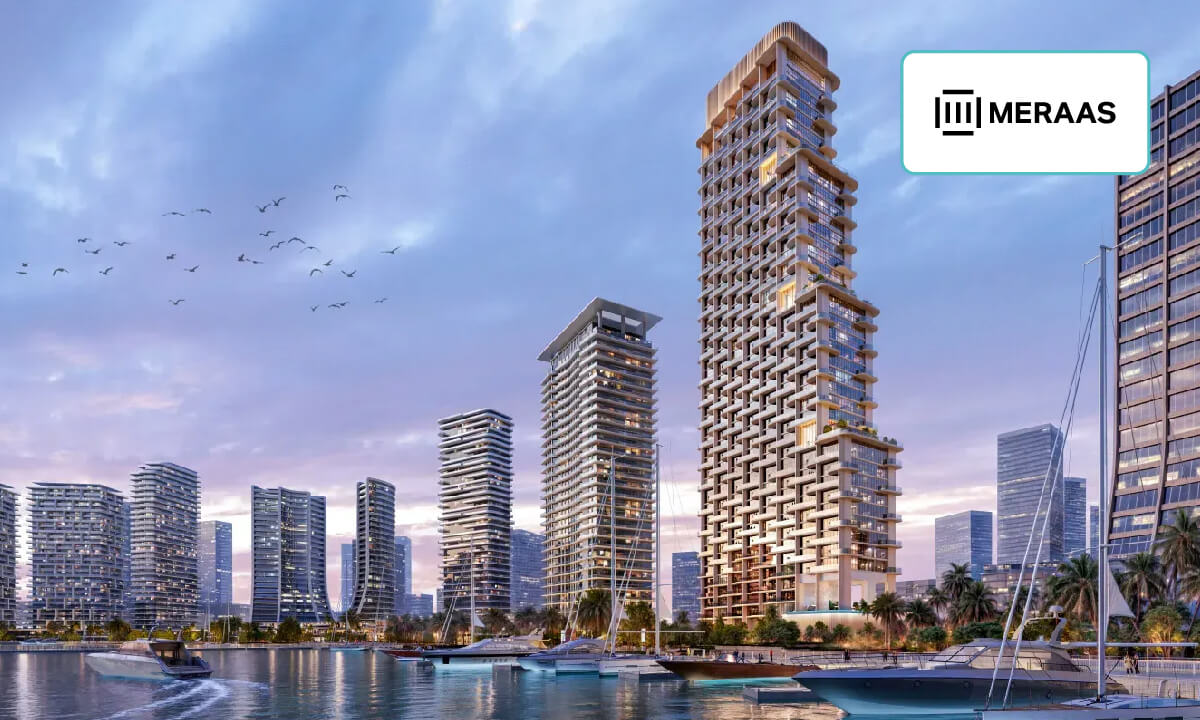
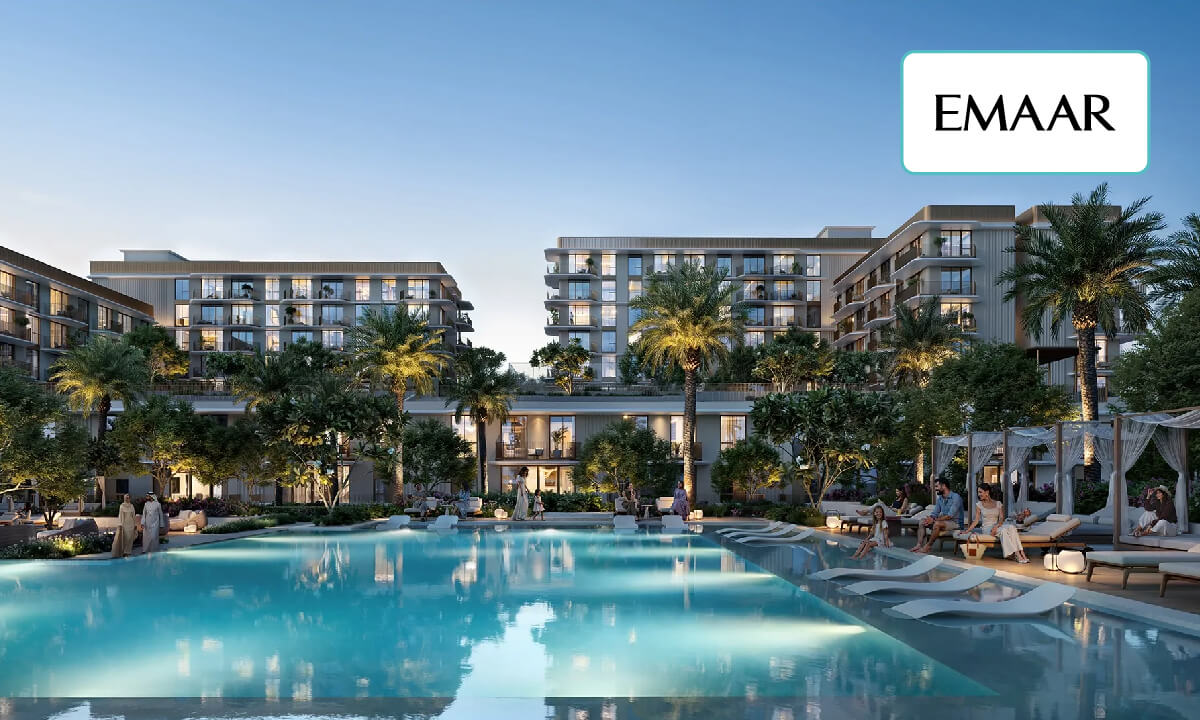
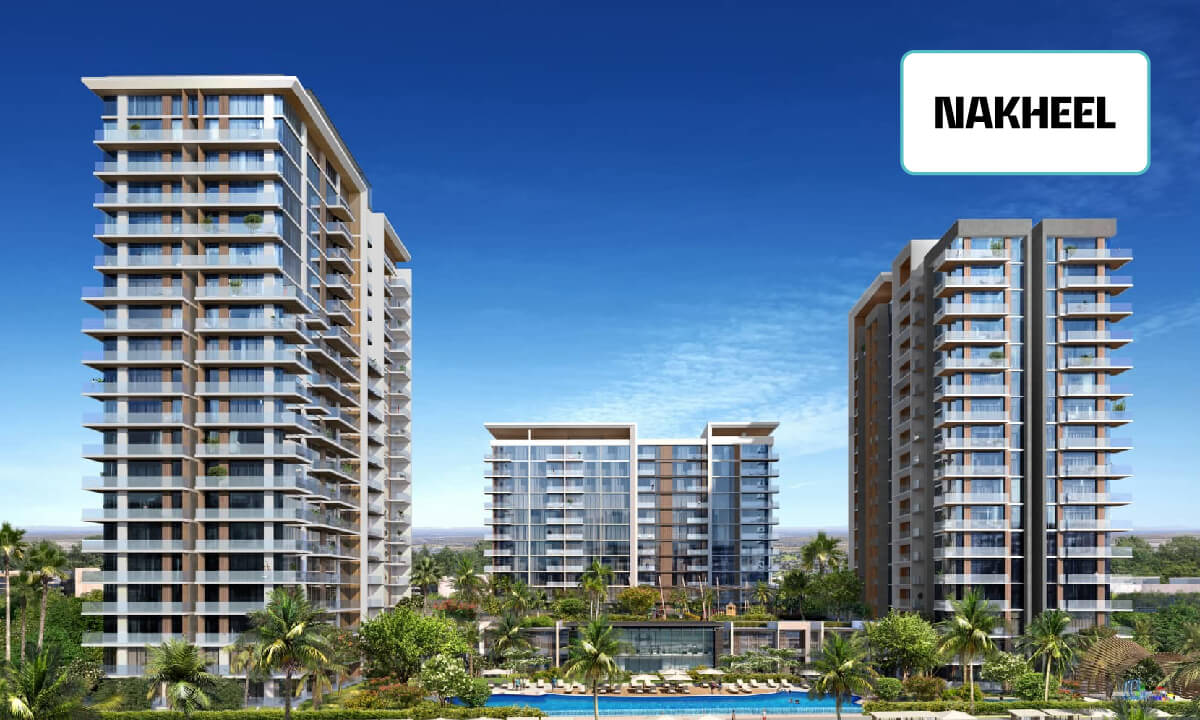
Buyers considering off plan Dubai property can explore developments offering flexible payment plans, competitive launch prices, and long-term growth potential.
The availability of off plan properties for sale in Dubai across different price segments also provides opportunities for investors seeking entry into the market without necessarily purchasing completed properties.
Are Off-Plan Properties Still Worth Considering in Dubai?
The changing market conditions do not necessarily indicate a decline in the long-term appeal of Dubai real estate. Instead, they highlight the importance of selecting the right project, location, and developer.
Investors exploring off plan properties Dubai should evaluate several factors, including:
- The developer’s reputation and project delivery history
- Location, connectivity, and surrounding infrastructure
- Payment plans and overall property affordability
- Expected completion timelines and project progress
- Potential rental demand and long-term capital appreciation
With new projects in Dubai continuing to expand across emerging communities, buyers may find opportunities that align with different investment budgets and objectives.
Those searching for affordable off plan properties in Dubai can also explore developing residential areas where new launches may offer comparatively accessible prices and attractive payment structures.
UAE Economic Growth Supports Real Estate Fundamentals
The CBRE report also highlighted the resilience of the UAE economy, with non-oil activities accounting for approximately 79% of economic output.
The country’s Purchasing Managers’ Index reached 55.3 in August and September, marking a 20-month high and reflecting continued expansion in business activity.
Matthew Green, Head of Research at CBRE MENA, noted that the UAE real estate market continues to benefit from solid fundamentals despite a more challenging operating environment.
He highlighted the sustained demand for premium office spaces, healthy industrial and logistics activity, and continued growth in Abu Dhabi’s residential market.
Outlook for Dubai and Abu Dhabi Real Estate
The third quarter of 2026 reflects a clear distinction between Dubai’s moderating residential market and Abu Dhabi’s continuing apartment price growth.
Dubai’s residential property prices and rents have softened, while commercial office, retail, and industrial real estate continue to benefit from strong demand.
Meanwhile, Abu Dhabi’s residential sector is attracting increased interest from investors and end-users, particularly in new master-planned communities.
For buyers and investors, both markets continue to offer opportunities across different property categories. Understanding market trends, evaluating investment fundamentals, and exploring suitable developments will remain essential for making informed real estate decisions in the UAE.
Source & Attribution: This article has been independently rewritten for informational and educational purposes based on market research published by CBRE Middle East and reporting by Arabian Business. All market statistics and research findings are attributed to their respective sources.









 Enquiry
 Call
 Whatsapp