
Dubai and Abu Dhabi’s residential property markets are entering a new phase as increasing housing supply, moderating rental prices and regulatory changes create more opportunities for tenants. After several years of strong rental growth, both emirates are witnessing a gradual shift in market conditions, with tenants gaining greater choice and landlords facing increased competition.
In Dubai, the growing number of completed and upcoming residential properties is putting pressure on rental prices, particularly in the apartment segment. In Abu Dhabi, a temporary rental freeze introduced in June 2026 is influencing rental market activity and providing greater stability for existing tenants.
These developments could reshape the UAE’s residential property landscape over the coming years, particularly as thousands of additional homes are expected to enter the market.
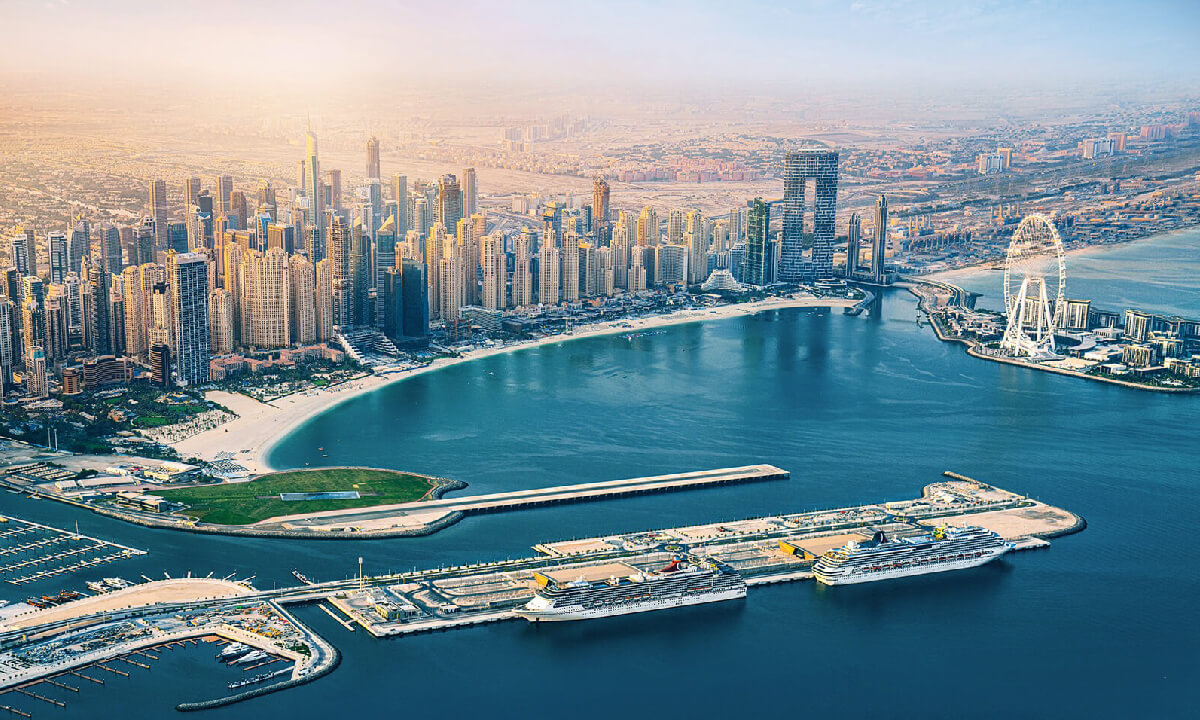
Dubai Residential Rents Face Pressure from Increasing Property Supply
Dubai experienced substantial rental growth over the past five years, supported by population expansion, international migration, business activity and the emirate’s growing appeal among expatriates and international professionals.
However, the pace of rental growth has started to moderate. According to S&P Global Ratings, residential rents in Dubai have begun to decline as additional housing supply enters the market.
One important factor behind this adjustment is the relatively short duration of residential rental contracts. Most residential leases run for less than 12 months, allowing landlords and tenants to renegotiate rental terms more frequently when agreements expire.
Fares Shweiky, Associate Director for Corporate Ratings at S&P Global Ratings, highlighted that this flexibility allows residential rents to respond more quickly to changing market conditions.
The growing availability of apartments is also creating additional competition between landlords. Properties with competitive pricing, attractive amenities, convenient locations and good maintenance may have an advantage when attracting new tenants.
Dubai Could See Residential Stock Increase by 20% by 2028
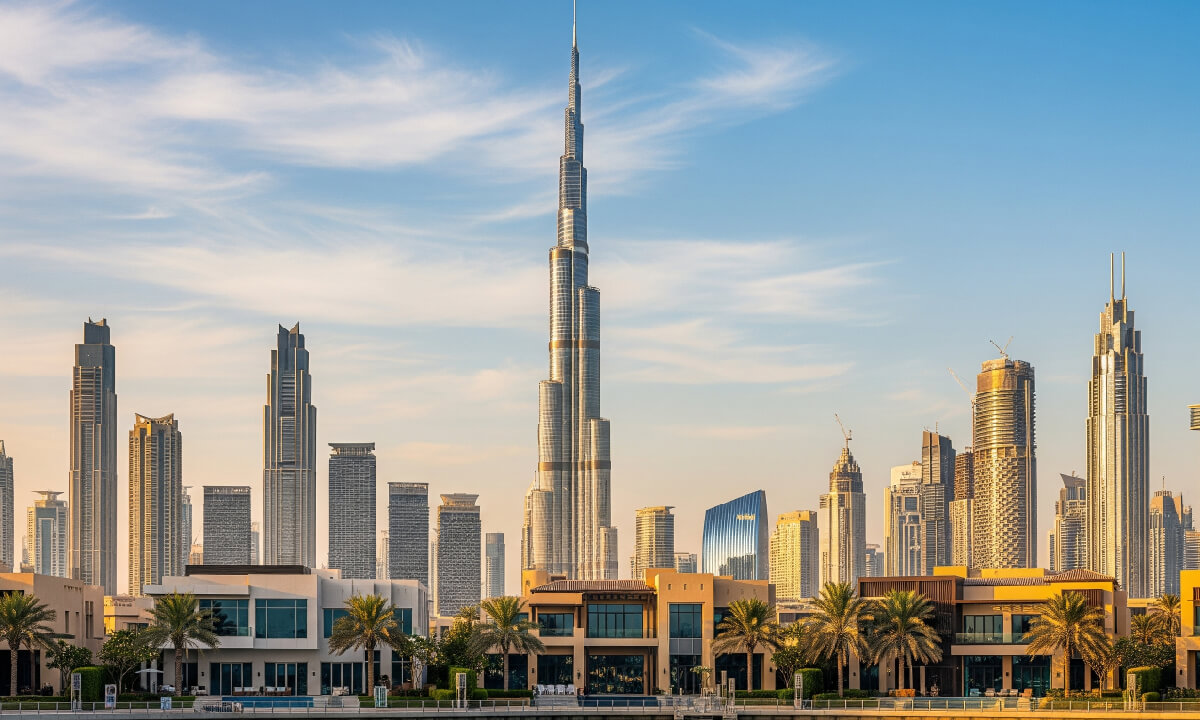
One of the most significant factors influencing Dubai’s rental outlook is the substantial pipeline of new residential developments.
S&P Global Ratings expects the delivery of a considerable number of apartments during 2027 and 2028, potentially increasing Dubai’s residential housing stock by approximately 20%.
Investor-owned apartments and off-plan properties are expected to experience greater competition because they account for a significant share of the upcoming residential supply. Villas, on the other hand, could receive relatively stronger support because fewer new units are expected in this segment.
According to real estate consultancy Cushman & Wakefield Core, more than 13,200 residential units were completed in Dubai during the second quarter of 2026.
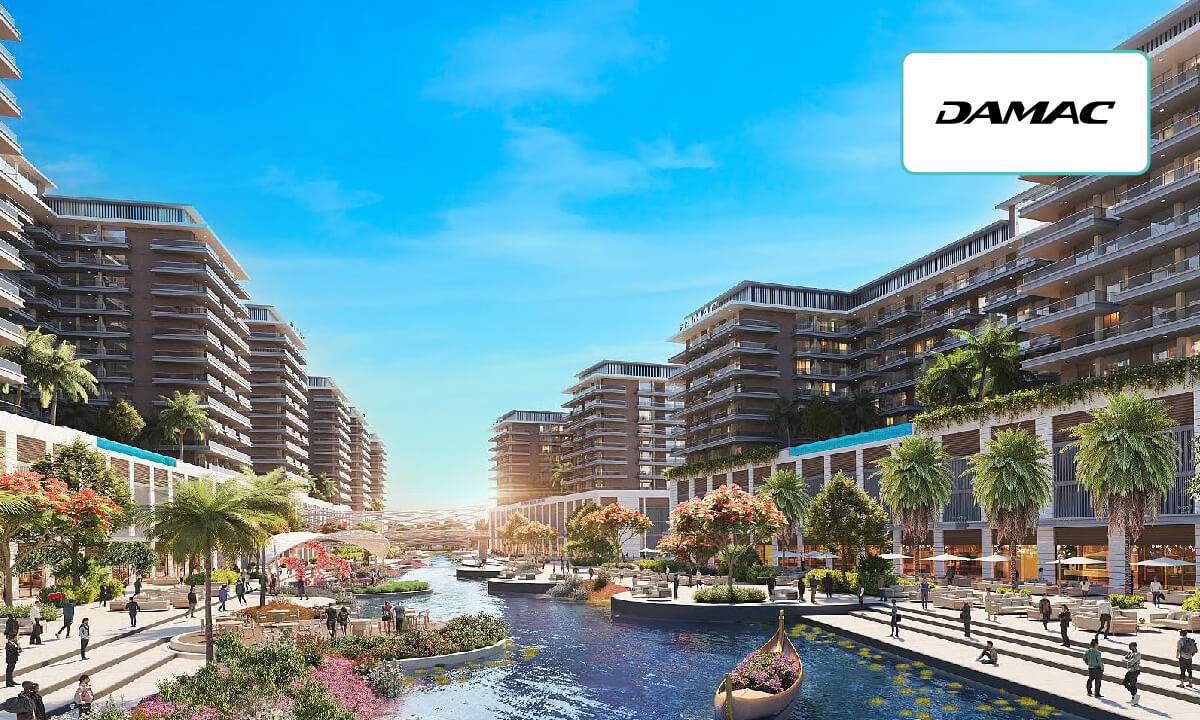
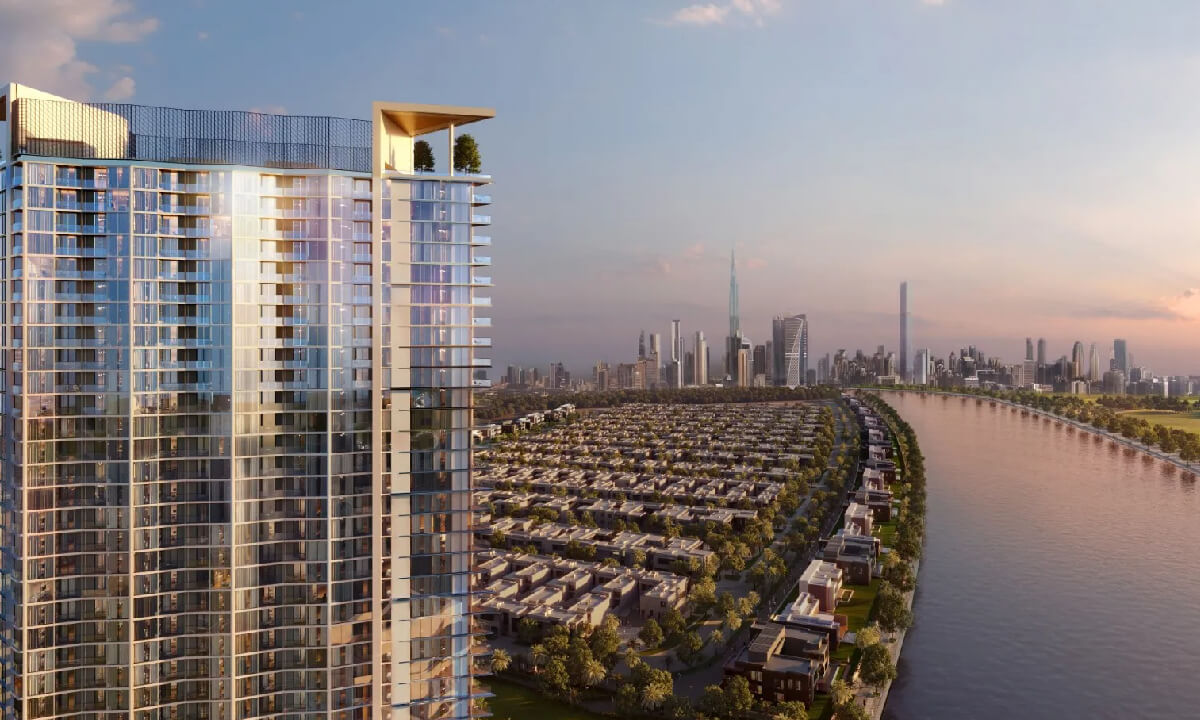
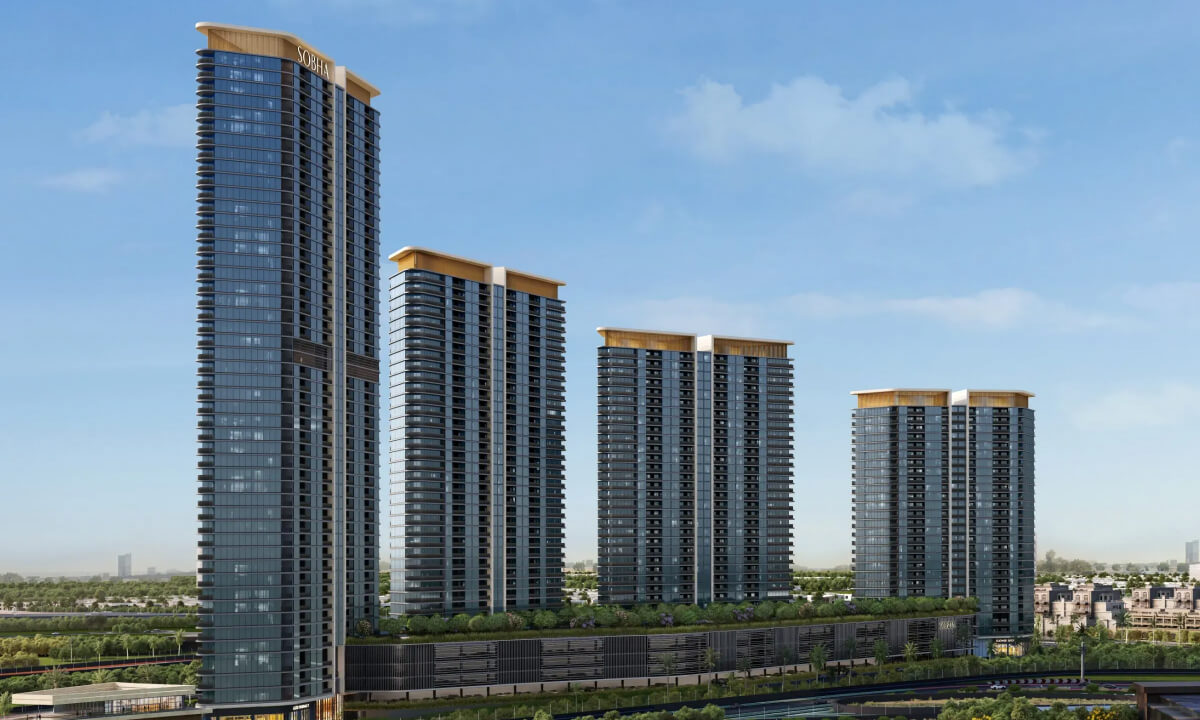
These deliveries included developments across several established and emerging communities, such as Sobha Hartland, DAMAC Lagoons, Jebel Ali Village, Dubai Science Park and The Valley.
An additional approximately 32,000 residential units were expected to be delivered during the second half of 2026, with a wider development pipeline extending towards 2030.
For tenants, this expanding supply could translate into more accommodation options and greater negotiating power. For landlords and investors, however, choosing the right location and property type will become increasingly important.
Abu Dhabi Rental Freeze Changes the Residential Property Landscape
Abu Dhabi is experiencing a different set of market conditions, with government intervention playing a major role in shaping the rental sector.
In June 2026, the Abu Dhabi Real Estate Centre (ADREC) announced a temporary change to the annual rental increase limit, reducing the permitted increase from 5% to 0% per year, effective immediately and until further notice.
The measure applies to residential, commercial and industrial tenancy contract renewals across the emirate. According to ADREC, the change is intended to provide greater rental cost certainty for households and businesses.
The government introduced the measure following a period of strong rental demand and rising accommodation costs. New lease prices had increased by 15% across Abu Dhabi and 23% in investment zones compared with the previous year, according to the authority’s announcement.
The rental freeze is expected to influence landlord strategies, particularly in established residential communities where existing properties compete with newly completed homes.
For tenants renewing eligible contracts, the policy offers greater protection against annual rental increases. Meanwhile, landlords may need to focus more on property maintenance, tenant retention and the overall quality of accommodation.
Abu Dhabi Rental Growth Moderates as More Homes Are Expected
Alongside the rental freeze, increasing residential supply is expected to influence Abu Dhabi’s housing market over the next few years.
According to real estate consultancy Cavendish Maxwell, apartment rental growth in Abu Dhabi was approximately 3.5%, while villa rents increased by 1.8%.
The consultancy also highlighted a significant development pipeline, with approximately 14,600 residential units projected for delivery in 2027 and another 24,200 units expected in 2028.
The combination of additional supply and rental restrictions could increase competition between existing properties and newly completed developments.
This may encourage landlords to offer more competitive rental arrangements while giving tenants greater flexibility when comparing available properties.
However, the performance of individual communities will continue to depend on factors such as location, infrastructure, property quality, accessibility and proximity to employment centres.
What Increasing Housing Supply Means for Dubai Property Investors?
The changing rental environment is particularly relevant for investors considering Dubai’s expanding residential property market.
The growth in new housing supply does not necessarily mean that every residential community will experience the same level of rental pressure. Demand, property quality, location and the number of competing developments will remain important factors.
Investors exploring off plan Dubai property opportunities should therefore consider more than the initial purchase price and advertised rental returns.
The following factors deserve particular attention:
1. Location and Connectivity: Properties near public transport, business districts, schools, retail destinations and major road networks may have stronger long-term appeal among tenants.
2. Upcoming Residential Supply: Investors should evaluate how many competing developments are expected to enter the same community before a project is completed.
3. Developer Reputation: Established developers with a track record of delivering projects and maintaining construction standards can be important considerations when purchasing off-plan properties.
4. Property Type: Apartment and villa markets may experience different supply-demand conditions. Investors should assess the specific segment rather than relying on overall market averages.
5. Long-Term Investment Potential: Buyers should evaluate service charges, payment plans, handover schedules, maintenance costs and realistic rental assumptions before committing to a property.
As more Dubai off-plan projects approach completion, investors may need to pay closer attention to the relationship between new supply, tenant demand and achievable rental income.
Will More Housing Supply Create Opportunities for Tenants?
The increasing availability of residential properties could provide meaningful advantages for tenants across Dubai and Abu Dhabi.
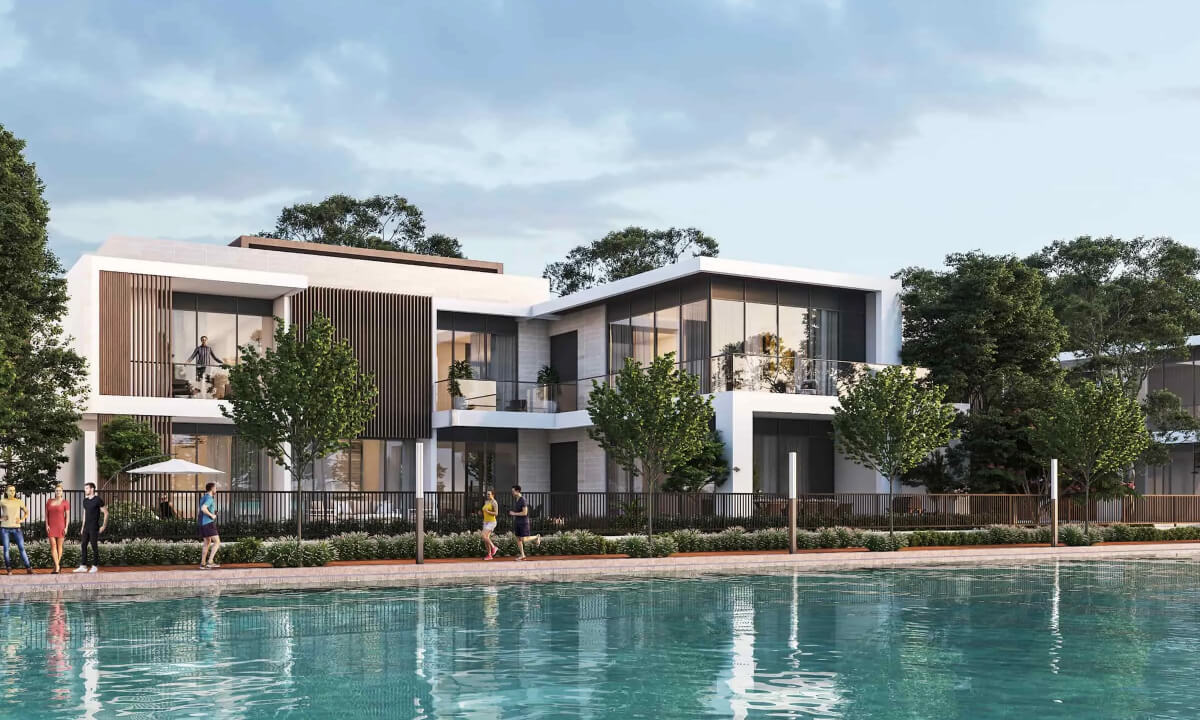
In Dubai, a larger selection of completed apartments may give residents more opportunities to compare rental prices, amenities and locations. Landlords may also become more flexible when negotiating with prospective tenants, particularly in communities experiencing significant new supply.
In Abu Dhabi, the rental freeze provides an additional layer of protection for eligible contract renewals, while upcoming residential deliveries could increase the range of available accommodation.
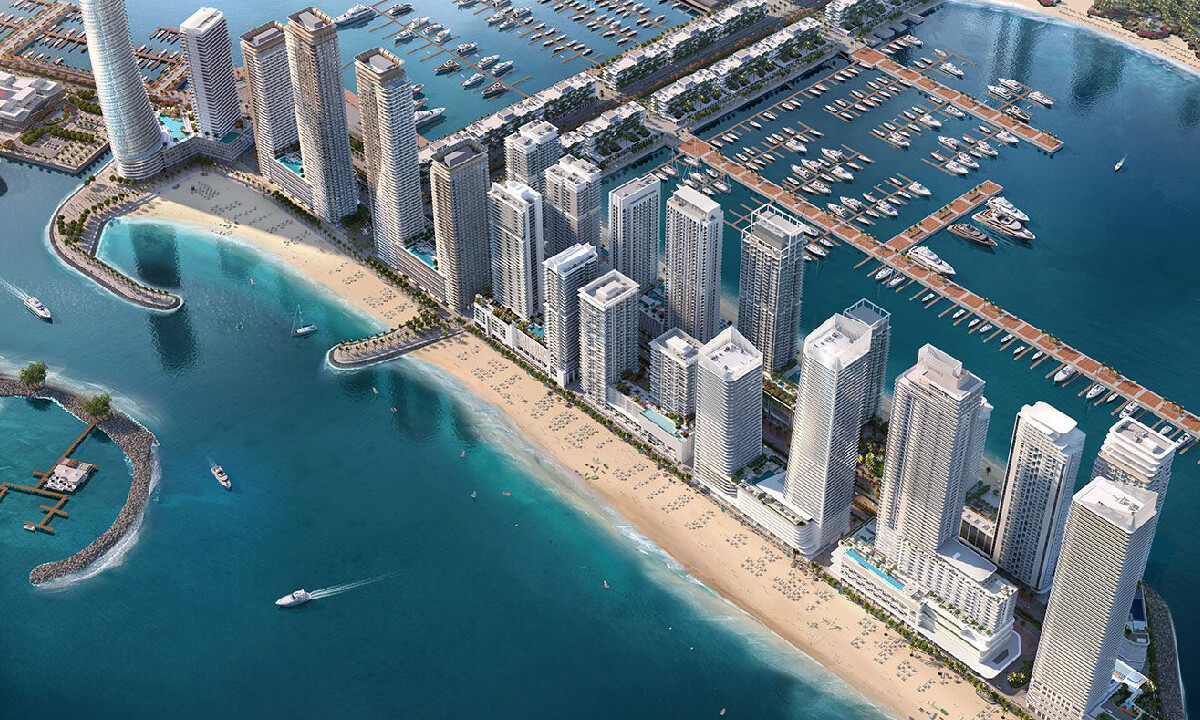
Nevertheless, rental conditions will not change uniformly across every neighbourhood. Premium communities, waterfront developments and locations with limited competing supply may continue to demonstrate stronger demand.
For tenants planning to relocate, comparing multiple communities and understanding the terms of rental agreements will remain essential.
Dubai and Abu Dhabi Property Markets Enter a New Phase
The latest developments indicate that the UAE’s residential rental markets are gradually moving towards more balanced conditions after several years of strong growth.
Dubai’s expanding residential pipeline is creating additional competition, while Abu Dhabi’s temporary rental freeze is changing how rental agreements are managed and renewed.
For tenants, these developments could mean greater choice and improved negotiating opportunities. For property owners and investors, the changing environment highlights the importance of location, asset quality and long-term investment planning.
Despite short-term rental adjustments, Dubai continues to attract international investors through its expanding infrastructure, new residential communities and growing range of off-plan developments.
At Off Plan Dubai Property, we provide the latest insights into Dubai’s real estate market, upcoming residential developments, property investment opportunities and new off-plan projects to help buyers make more informed decisions.
Source and Attribution: This article has been independently rewritten for Off Plan Dubai Property using market information and reporting from Khaleej Times.




















 Enquiry
 Call
 Whatsapp