
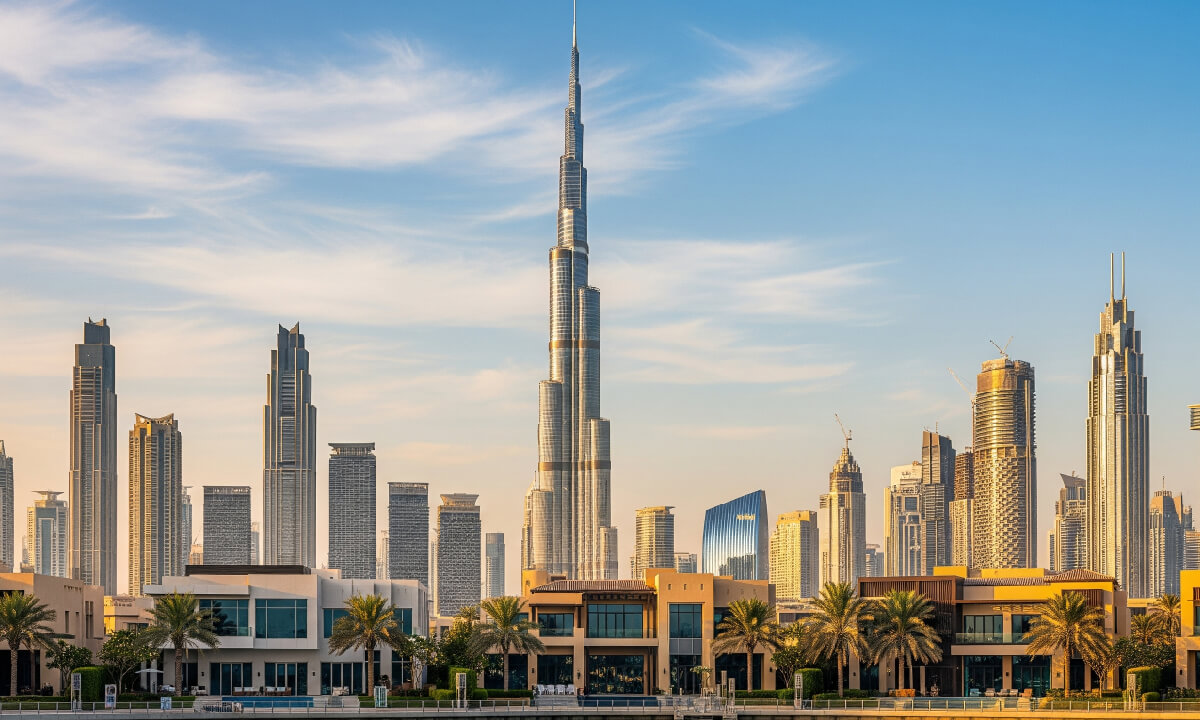
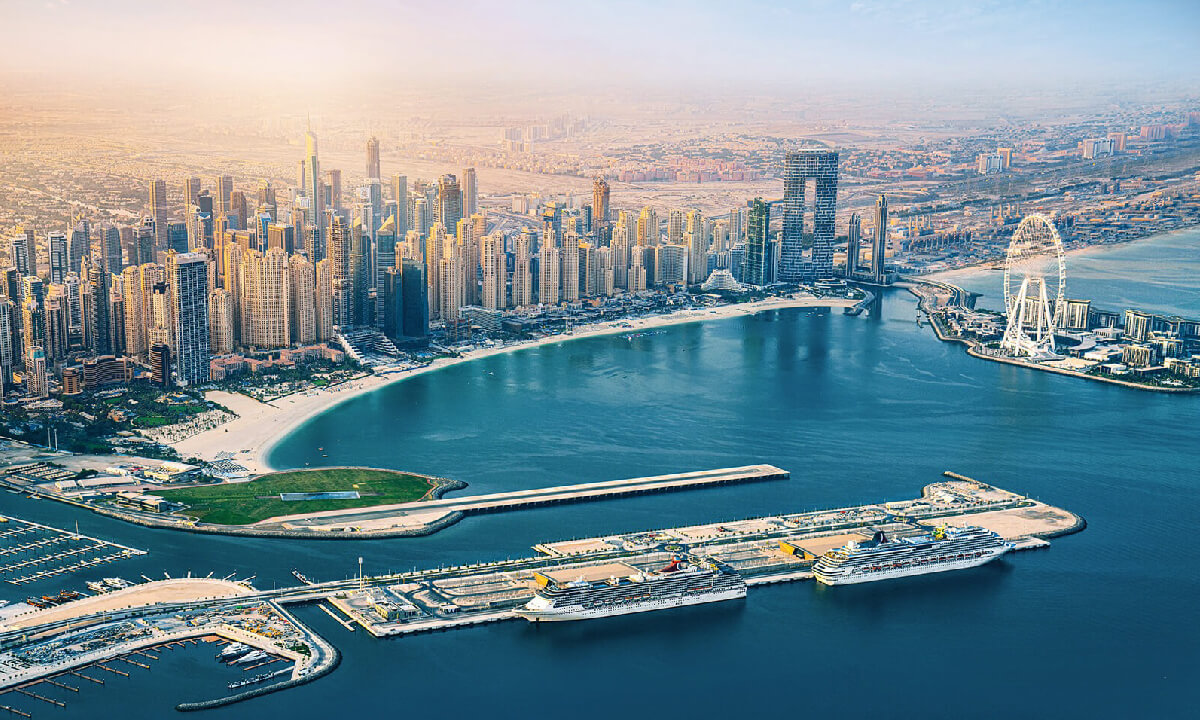
The question of whether Dubai’s real estate market is overheating has become increasingly common as prices reach new highs. For investors considering off-plan properties in Dubai, understanding whether the Dubai property market is driven by speculation or fundamentals is critical. As we move into 2026, market data suggests Dubai is transitioning into a more mature phase rather than forming a classic real estate bubble.
Understanding Bubble Risk in Dubai Real Estate
A property bubble typically occurs when asset prices rise faster than real demand, often fueled by excessive leverage and short-term speculation. While international indices have flagged Dubai as carrying elevated risk, this does not automatically signal an imminent correction.
Unlike previous cycles, today’s Dubai real estate investment landscape is shaped by population growth, cash-heavy transactions, and long-term residency incentives. These factors provide structural support that was largely absent during earlier downturns.
Demand Drivers Supporting Market Stability
Dubai’s population continues to expand at a rapid pace, driven by skilled professionals, entrepreneurs, and high-net-worth individuals relocating for lifestyle and tax advantages. Long-term residency programs and business-friendly regulations are encouraging permanent settlement rather than speculative flipping.
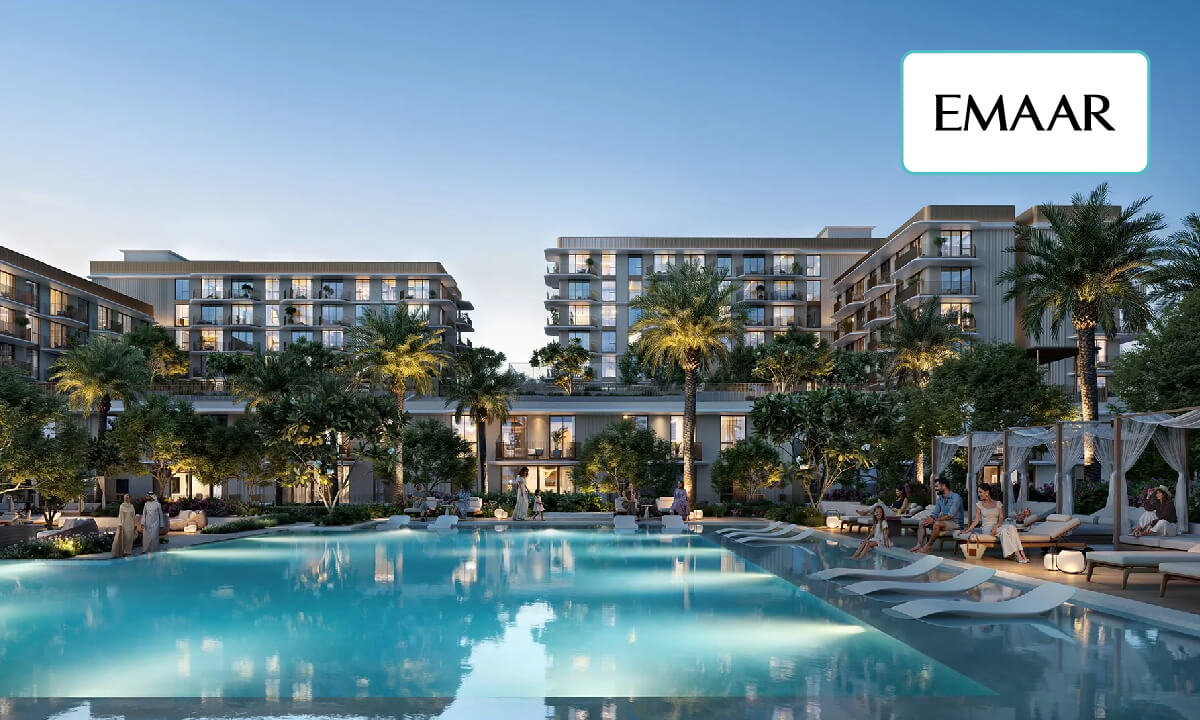
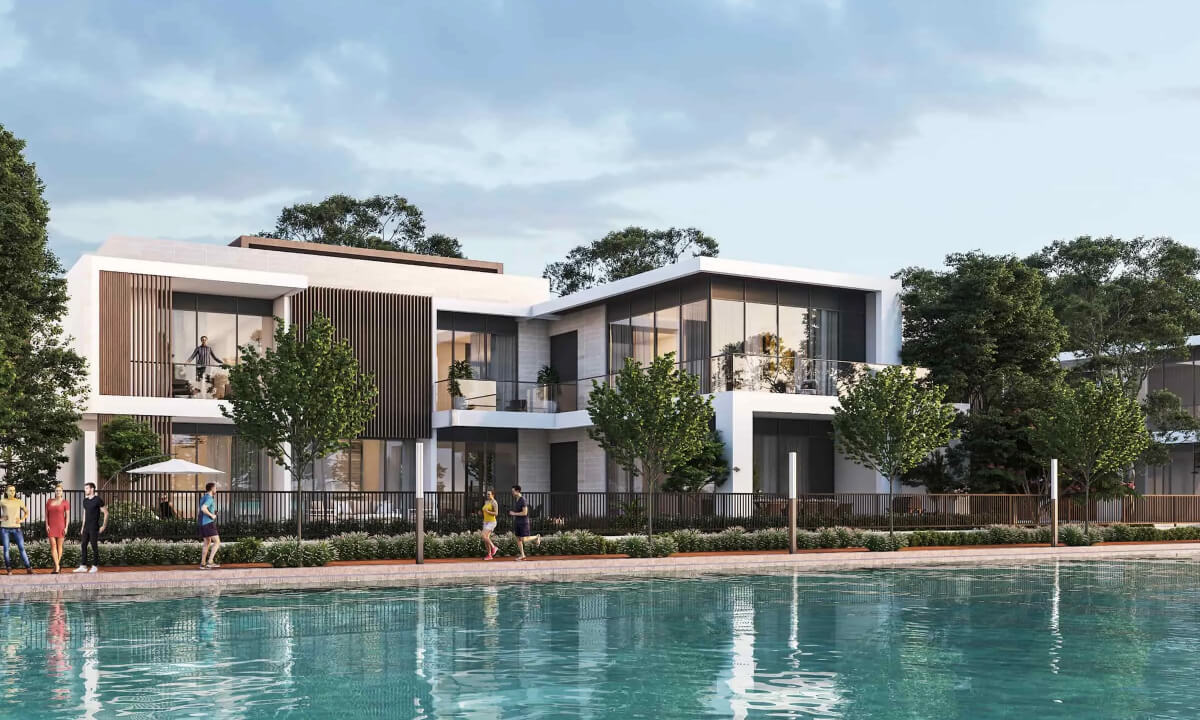
This shift has increased demand for family-oriented housing, particularly villas and larger residences. Meanwhile, Dubai luxury apartments in established districts continue to attract global buyers seeking capital preservation and rental income.
Supply: A Measured Pipeline, Not a Flood
Concerns around oversupply are often linked to announced construction figures. However, historical delivery data shows that only a portion of planned units typically reach completion on schedule. Developers increasingly phase projects to align with demand, reducing the risk of sudden inventory surges.
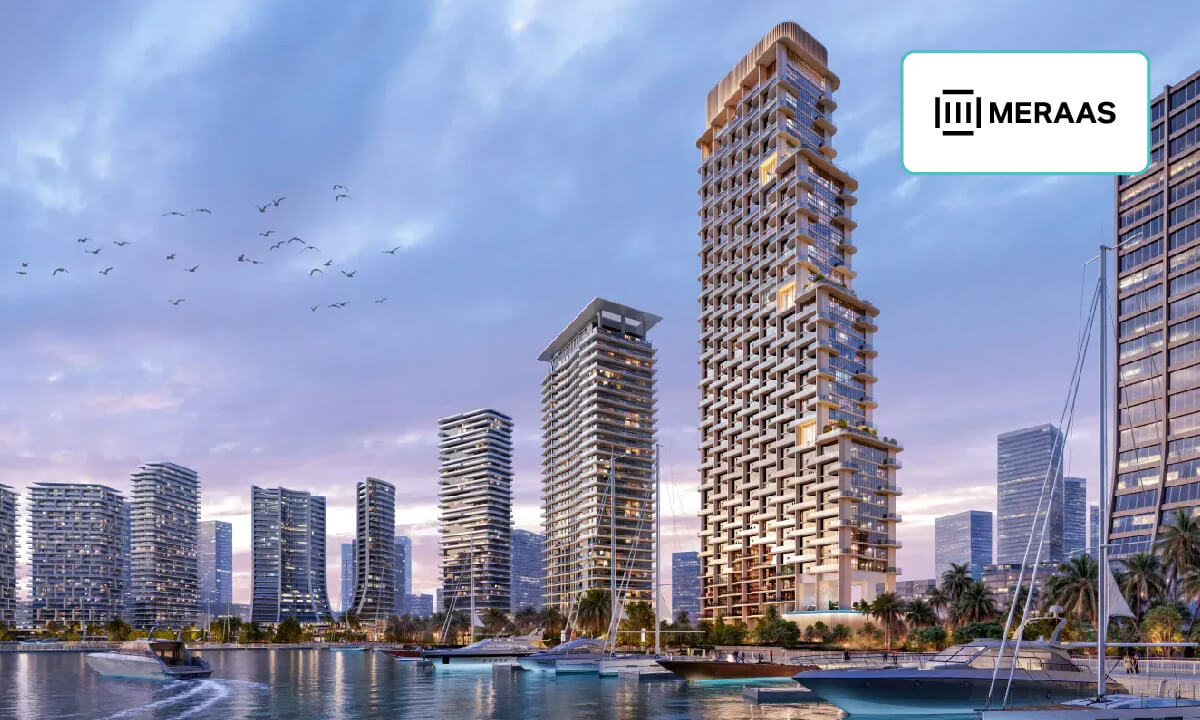
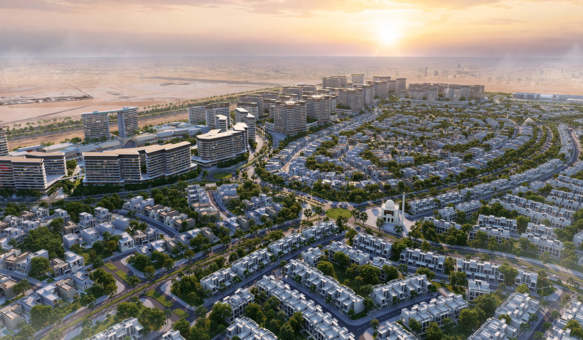
For investors focused on off-plan property investment UAE, this controlled supply dynamic helps protect long-term value, especially in well-connected master-planned communities.
Segment Performance: Villas vs Apartments
Market performance in 2026 is expected to vary by asset type. Low-density housing remains undersupplied, supporting stronger price appreciation. Apartments, particularly in high-construction zones, may experience more modest growth.
Strategic location, infrastructure access, and community amenities are becoming key differentiators for those looking to invest in Dubai property with a medium- to long-term horizon.
Rental Yields and Investor Returns
While rental growth has normalized after sharp increases in prior years, Dubai still offers competitive yields compared to other global cities. Stable occupancy levels and tenant demand continue to make invest in Dubai real estate an attractive option for income-focused investors.
Conclusion: A Selective Market, Not a Speculative Bubble
Dubai’s property market in 2026 reflects moderation rather than excess. Price growth is slowing, leverage remains low, and demand is increasingly end-user driven. For investors who prioritize fundamentals, location quality, and reputable developments, opportunities remain compelling—particularly within the off-plan properties in Dubai segment.
At Off-Plan Dubai Properties, we focus on data-backed insights and carefully selected developments to help investors make informed decisions.
Explore upcoming projects and discover how to invest in Dubai real estate with confidence in 2026.













 Enquiry
 Call
Call Whatsapp